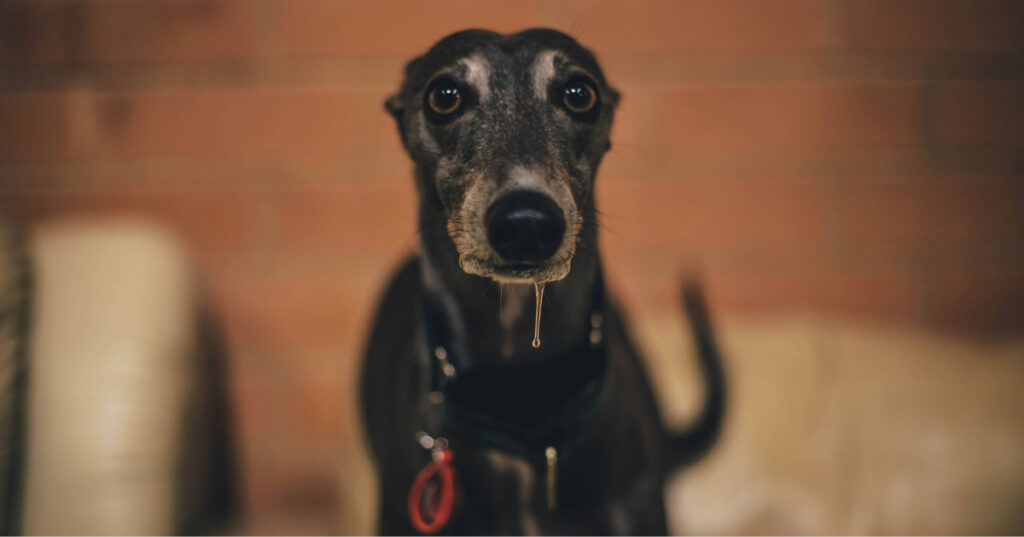
A little drool from your dog during mealtime or when they catch a whiff of something delicious is completely normal. But if you’ve noticed your dog drooling excessively such as soaking their chest, leaving puddles on the floor, or drooling when food isn’t involved, you’re right to take notice. Excessive dog drooling, also called hypersalivation or ptyalism, can signal anything from a minor irritation to a serious medical condition. At McGehee Clinic for Animals in Memphis, TN, our team can help you figure out what’s driving the drool and get your dog feeling better.
Is It Normal for Dogs to Drool?
Yes, all dogs drool to some extent. Saliva plays an important role in digestion, and dogs naturally produce more of it when they smell or anticipate food. Some dog breeds are also more prone to drooling than others due to the anatomy of their lips and jowls. Breeds like Bloodhounds, Saint Bernards, Mastiffs, and Basset Hounds are well-known heavy droolers, and for them, a lot of drool is just part of life.
The concern arises when a dog that doesn’t typically drool much suddenly starts drooling excessively, or when drooling is accompanied by other symptoms. That kind of change is worth a conversation with your vet.
Why Is My Dog Drooling So Much? Common Causes to Know
Excessive dog drooling has many possible causes, ranging from benign to serious. Understanding the most common ones can help you recognize whether your dog needs immediate care or a routine checkup.
Mouth and Dental Problems
One of the most frequent causes of sudden excessive drooling in dogs is an oral issue. Dental disease, gum infections, broken teeth, mouth ulcers, or a foreign object lodged in the mouth (like a stick splinter or a piece of bone) can all cause a dog to salivate more than usual. If your dog is drooling excessively and pawing at their mouth or reluctant to eat, an oral problem is likely.
Nausea and Gastrointestinal Issues
Dogs often drool heavily when they feel nauseous, just as people tend to salivate before vomiting. Motion sickness is a very common cause of dog drooling, particularly in puppies and dogs that don’t ride in cars often. Gastrointestinal conditions like bloat (gastric dilatation-volvulus or GDV), which is a life-threatening emergency, can also cause sudden and severe drooling. If your dog is drooling a lot, has a distended belly, is restless, and is unable to vomit, seek emergency veterinary care immediately.
Anxiety and Stress
Dogs experiencing fear, anxiety, or stress frequently drool more than usual. Thunderstorms, fireworks, vet visits, and travel can all trigger stress-related drooling. This type of drooling typically resolves when the stressor is removed, but dogs with ongoing anxiety may benefit from behavioral support and a veterinary consultation.
Toxic Ingestion
If your dog has gotten into something toxic like a poisonous plant, household chemical, certain human foods, or medications, sudden drooling can be one of the first signs. Other signs of poisoning may include vomiting, tremors, weakness, or seizures. If you suspect your dog has ingested something toxic, contact your veterinarian or an emergency animal poison control line right away.
Upper Respiratory or Throat Issues
Infections or obstructions in the throat or upper respiratory tract can make it difficult for a dog to swallow normally, leading to drooling. Tonsillitis, pharyngitis, or even a tumor in the throat area can interfere with swallowing and cause saliva to pool and drip.
When to Worry About Dog Drooling
Knowing when excessive dog drooling requires urgent attention can make a real difference for your pet’s wellbeing. Some situations call for immediate veterinary care, while others can be addressed with a scheduled appointment.
Signs That Require Emergency Veterinary Care
Take your dog to the vet right away if excessive drooling is paired with any of the following:
- A bloated or distended abdomen
- Unproductive retching or inability to vomit
- Sudden collapse or extreme weakness
- Suspected toxic ingestion
- Seizures or muscle tremors
- Extreme difficulty breathing or swallowing
Signs That Warrant a Scheduled Vet Visit
Schedule an appointment with your veterinarian soon if you notice your dog drooling excessively along with:
- Bad breath or visible changes in the mouth
- Pawing at the face or mouth
- Reluctance to eat or drink
- Drooling that has been going on for more than a day or two
- Weight loss
- Changes in behavior or activity level
What Will the Vet Do for a Dog That Drools Too Much?
When you visit McGehee Clinic for Animals with a dog that’s drooling excessively, the veterinarians will take a thorough history and perform a complete physical exam. This typically includes a detailed inspection of the mouth, teeth, gums, and throat. Depending on what’s found, the diagnostic process may include:
- Oral examination under sedation if needed
- Dental X-rays to evaluate teeth and roots
- Blood and urine tests to check organ function and overall health
- Abdominal X-rays or ultrasound to rule out GI issues
- Toxicology screening if poisoning is suspected
Treatment depends entirely on the underlying cause. Dental disease may require a professional cleaning or tooth extraction. Nausea may be addressed with anti-nausea medications. Anxiety-related drooling may be managed with behavioral strategies or veterinary-prescribed medications. Whatever is causing your dog to drool too much, our team will work with you on a clear, effective plan.
What Memphis Dog Owners Should Know About Dog Drooling
Excessive dog drooling is one of those symptoms that can look minor but sometimes point to something serious. Whether your dog started drooling suddenly, has been drooling more than usual for a while, or you’re just not sure what’s normal for your breed, the team at McGehee Clinic for Animals is here to help. We’re proud to serve dogs and their families throughout Memphis, TN, and we take every drool-soaked concern seriously. Call (901) 682-5684 or book an appointment online today. Your dog’s comfort and health are worth it.