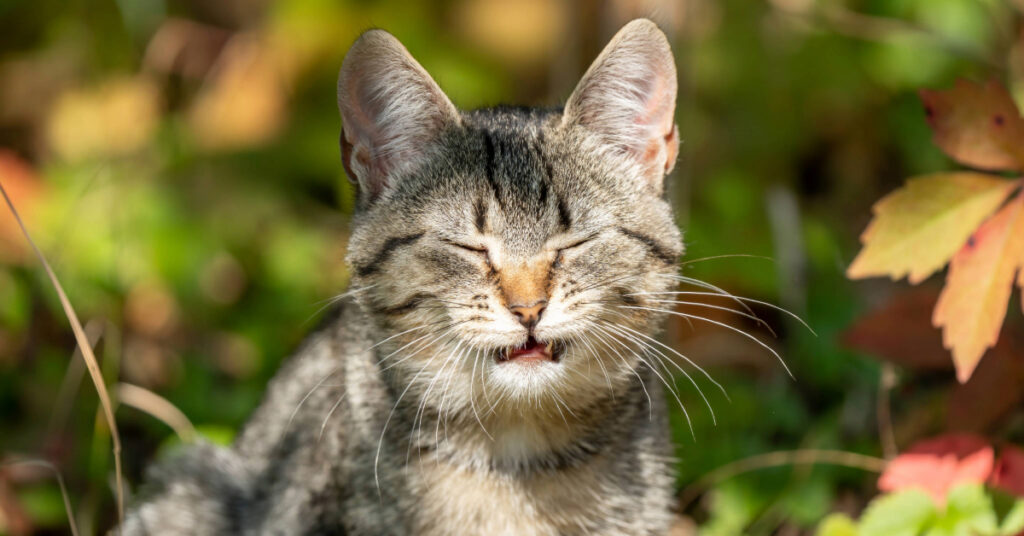
If your cat keeps sneezing, it’s natural to wonder whether it’s something minor or a sign that something is wrong. Cat sneezing is usually harmless, a single sneeze here and there is just your cat clearing its nasal passages. But when sneezing becomes frequent, persistent, or is paired with other symptoms, it’s time to pay closer attention. At McGehee Clinic for Animals in Memphis, TN, our veterinarians see cats with sneezing concerns regularly, and we’re here to help you understand what’s normal and what warrants a visit.
Why Do Cats Sneeze?
A sneezing cat isn’t always a sick cat. Cats sneeze for many of the same reasons people do: something is irritating the nasal passages, and sneezing is the body’s way of clearing it out. Understanding the underlying cause of cat sneezing is the first step toward figuring out whether your pet needs medical attention.
Common Causes of Cat Sneezing
There are several reasons a cat might sneeze more than usual. The most frequent causes include:
- Upper respiratory infections (URI): Often called “cat colds,” these are among the most common reasons cats sneeze repeatedly. Feline herpesvirus and feline calicivirus are frequent culprits.
- Environmental irritants: Dust, pollen, cigarette smoke, perfume, cleaning products, and even certain cat litters can trigger sneezing in sensitive cats.
- Allergies: Cats can develop allergies to environmental allergens, much like people do, leading to chronic sneezing.
- Foreign objects: A blade of grass, a piece of debris, or another small object lodged in the nasal passage can cause sudden, persistent sneezing.
- Dental disease: Tooth root infections, especially in upper teeth, can affect the nasal cavity and lead to sneezing.
- Nasal polyps or tumors: Less common, but growths in the nasal passages or sinuses can cause ongoing sneezing, especially in older cats.
When Is Cat Sneezing Normal?
Occasional sneezing in cats is perfectly normal. Your cat may sneeze once or twice when they sniff something dusty, walk through a room that’s been freshly vacuumed, or encounter a strong smell. This type of sneezing is brief and doesn’t require concern. Cats that are new to your home may also sneeze more initially as they adjust to new smells and environments. This usually resolves on its own within a few days.
When Should You Be Worried About Your Cat Sneezing?
Frequent or persistent cat sneezing, especially when combined with other symptoms, is a signal that something more is going on. Repeated sneezing over several days, sneezing fits, or sneezing accompanied by discharge should prompt a call to your veterinarian.
Symptoms to Watch For Alongside Sneezing
Pay attention to what’s happening in addition to the sneezing. If your cat is sneezing and showing any of the following, it’s time to schedule an appointment:
- Nasal discharge (clear, yellow, or bloody)
- Watery or goopy eyes
- Lethargy or reduced activity
- Loss of appetite or not eating
- Difficulty breathing or open-mouth breathing
- Coughing or wheezing
- Fever
- Pawing at the face or nose
A cat that is sneezing constantly and not eating is especially concerning, as decreased appetite in cats can quickly lead to serious health complications. Don’t wait to see if it resolves. Contact your vet as soon as possible.
Could My Cat Have a Respiratory Infection?
Upper respiratory infections are the most common cause of persistent sneezing in cats. Feline URI is essentially a cat cold, highly contagious between cats but not transmissible to humans. It’s especially prevalent in kittens, cats in multi-cat households, and cats that have spent time in shelters or boarding facilities.
Signs of a Feline Upper Respiratory Infection
A cat sneezing and sniffling with a URI may also display runny eyes, nasal congestion, fatigue, and a reduced interest in food. Some cats with URI may breathe through their mouths when the nasal passages become severely congested. This is not normal in cats and should be treated as an emergency.
Feline herpesvirus, the most common viral cause of URI, can lie dormant and reactivate during times of stress. If your cat has had respiratory infections in the past and begins sneezing again after a stressful event, the virus may have been triggered.
Can Cat Sneezing Be Caused by Allergies?
Yes, cats can have allergies, and sneezing is one of the signs. Environmental allergens like dust mites, mold, pollen, and certain household products can cause a cat to sneeze repeatedly. Unlike dogs, who tend to scratch when they have allergies, cats more often show respiratory symptoms.
If you notice your cat’s sneezing is seasonal or seems tied to specific environments or products in your home, allergies may be a factor. Your veterinarian at McGehee Clinic for Animals can help determine whether allergies are the cause and discuss appropriate management options.
What Happens at the Vet for a Sneezing Cat?
When you bring your sneezing cat to McGehee Clinic for Animals, our team will start with a thorough physical exam. We’ll look at your cat’s nose, eyes, lymph nodes, and mouth, and listen to the lungs and heart. Depending on what we find, diagnostic workup may include:
- Nasal and ocular swabs for culture or PCR testing
- Blood work to assess overall health and immune function
- Dental X-rays if tooth root disease is suspected
- Rhinoscopy (examination of the nasal passages) in more complex cases
- Imaging such as X-rays if structural problems are suspected
Treatment will depend on the diagnosis. Bacterial infections are treated with antibiotics, viral infections are managed supportively, allergies may require antihistamines or immunotherapy, and foreign bodies or polyps may need to be removed. Whatever the cause, our team will create a treatment plan tailored to your cat.
Your Sneezing Cat Deserves Expert Care in Memphis
A cat that sneezes occasionally is probably just fine. But a cat that keeps sneezing, especially with other symptoms, needs veterinary attention. At McGehee Clinic for Animals, we’re committed to helping Memphis-area pet owners understand their cats’ health and get them the care they need. If your cat has been sneezing more than usual, or if you’re unsure whether what you’re seeing is normal, call (901) 682-5684 or book an appointment online today. Our team is here to help your cat breathe easy and feel their best.