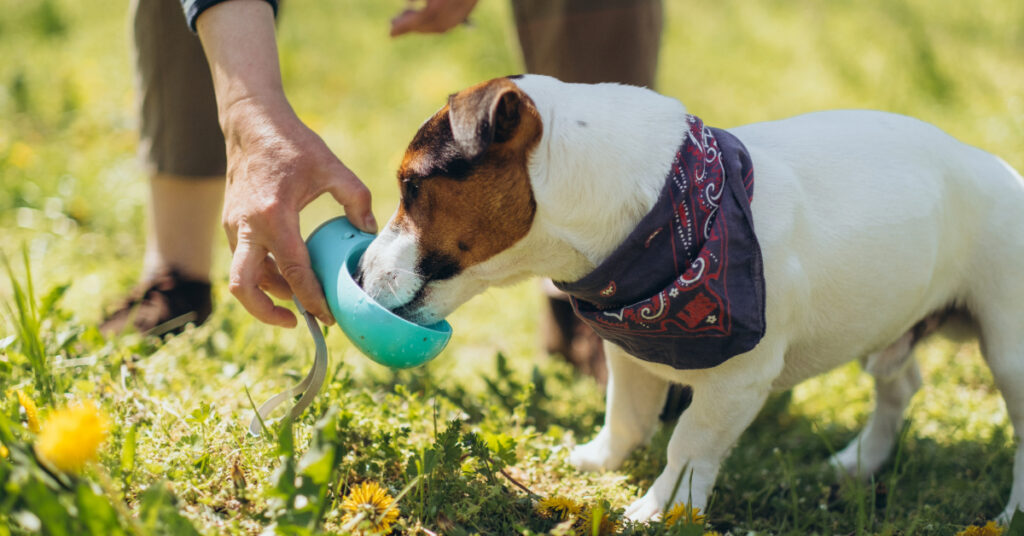
You fill up the water bowl, and before you know it, your dog has emptied it again. If your dog is drinking a lot of water lately, you might be wondering whether it’s just the heat or something worth a phone call to the vet. In most cases, a dog drinking a lot of water is a sign that their body is telling them something. Some causes are benign, but others point to conditions that need veterinary attention. At McGehee Clinic for Animals in Memphis, TN, we’re here to help dog owners get to the bottom of changes in their pets’ drinking habits.
How Much Water Should a Dog Drink Each Day?
On average, a healthy dog should drink about one ounce of water per pound of body weight each day. So a 50-pound dog needs roughly 50 ounces, or about six cups, of water daily. This amount can increase naturally with exercise, heat, a dry kibble diet, or pregnancy and nursing. Knowing your dog’s baseline water intake helps you recognize when they’re drinking significantly more than normal.
If your dog is drinking two or three times their normal amount consistently over several days, that’s considered excessive water intake, which veterinarians call polydipsia. Polydipsia often occurs alongside polyuria, the term for producing more urine than normal. Together, these symptoms form an important diagnostic pair that can point to several underlying conditions.
Why Is My Dog Drinking a Lot of Water? Common Causes
A dog drinking a lot of water can have many explanations. Some are straightforward, while others require diagnostics to identify. Here’s a look at the most common reasons dogs drink excessively.
Diabetes Mellitus
Diabetes is one of the most common causes of increased thirst and urination in dogs. When the body can’t properly regulate blood sugar, the kidneys filter out excess glucose through the urine, which draws water along with it. Dogs with diabetes tend to drink a lot of water, urinate frequently, lose weight despite a healthy appetite, and may appear lethargic. Diabetes in dogs is manageable with veterinary care, including insulin therapy and dietary changes.
Kidney Disease
The kidneys play a central role in regulating fluid balance in the body. When the kidneys aren’t functioning properly, they lose their ability to concentrate urine, causing dogs to urinate more and drink more to compensate. Chronic kidney disease is particularly common in older dogs, and excessive thirst is often one of the first noticeable signs. Early detection through bloodwork and urinalysis can make a significant difference in long-term management.
Cushing’s Disease (Hyperadrenocorticism)
Cushing’s disease occurs when the body produces too much cortisol, often due to a tumor on the pituitary or adrenal glands. One of its hallmark signs is a dog drinking a lot of water. Other symptoms include increased appetite, hair loss, a pot-bellied appearance, and frequent urination. Cushing’s is more common in middle-aged to older dogs and in certain breeds including Poodles, Boxers, and Dachshunds.
Pyometra (Uterine Infection)
Pyometra is a life-threatening uterine infection that affects unspayed female dogs, typically within weeks of a heat cycle. Excessive thirst and urination are among the signs, along with lethargy, vomiting, and vaginal discharge. If you have an intact female dog that is drinking excessively, this condition should be ruled out immediately.
Medications
Certain medications, most notably corticosteroids like prednisone, are known to cause increased thirst and urination as a side effect. If your dog recently started a new medication and has begun drinking more water, let your veterinarian know. Do not stop any prescribed medication without guidance from your vet.
Other Possible Causes
Other conditions that may cause a dog to drink a lot of water include liver disease, hypercalcemia (elevated blood calcium), diabetes insipidus, and urinary tract infections. Behavioral causes and dietary factors can also play a role. Because so many different conditions share this symptom, a veterinary evaluation is the only reliable way to pinpoint the cause.
When to See the Vet About Your Dog Drinking a Lot of Water
A dog drinking more water than usual for a day after a long walk or outdoor play is not a concern. But if your dog has been drinking a lot of water for more than two or three days, or if the increased thirst is accompanied by any of the following, schedule an appointment at McGehee Clinic for Animals:
- Frequent urination, accidents in the house, or urinating during the night
- Weight loss despite normal or increased eating
- Lethargy, weakness, or reduced activity
- Vomiting or diarrhea
- Changes in coat quality or hair loss
- Swollen abdomen
- Cloudy, bloody, or foul-smelling urine
What Will the Vet Do When My Dog Is Drinking Too Much Water?
When you bring your dog to McGehee Clinic for Animals with concerns about excessive thirst, our veterinarians will take a complete history and perform a physical exam. Diagnostics typically include blood work, urinalysis, and sometimes imaging to evaluate the kidneys, adrenal glands, and other organs. These tests allow us to identify or rule out the most common causes of polydipsia quickly and efficiently.
Treatment depends on the underlying diagnosis. Diabetes may be managed with insulin and diet. Kidney disease is treated with supportive care, hydration, and dietary modification. Cushing’s disease may require medication or surgery. Pyometra typically requires emergency spay surgery. In every case, our team will walk you through your options and help you make informed decisions for your dog.
Tracking Water Intake Can Help Your Veterinarian
One of the most helpful things you can do before your appointment is track your dog’s water intake for a day or two. Use a measured container to fill the bowl and note how much water your dog consumes over 24 hours. This information gives your veterinarian valuable context and can help narrow down the cause more quickly.
- Fill the bowl with a measured amount each morning
- Record how much water remains at the end of the day
- Note any accidents, changes in urination frequency, or other symptoms
- Bring your notes to the veterinary appointment
Getting Answers for Your Thirsty Dog in Memphis
A dog drinking a lot of water is your pet’s way of telling you something has changed. Whether it turns out to be something minor or the start of a manageable condition, the sooner it’s investigated, the better the outcome is likely to be. Our team at McGehee Clinic for Animals is here to help Memphis-area dog owners get the answers they need. Call (901) 682-5684 or book an appointment online, and let’s find out what’s behind that empty water bowl.