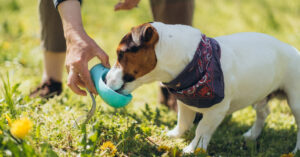
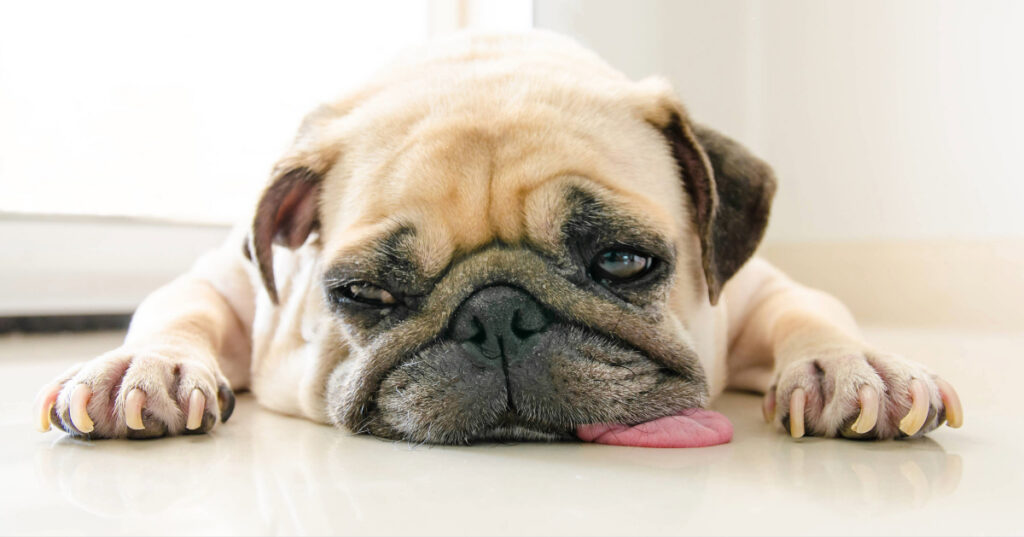
Dogs are active, energetic animals, and they rely on staying well-hydrated to function at their best. When a dog becomes dehydrated, the effects on their body can be rapid and serious. Dog dehydration symptoms can range from subtle to severe, and knowing what to look for can help you act quickly when your pet needs help. At McGehee Clinic for Animals in Memphis, TN, our veterinary team wants every dog owner to feel confident recognizing the warning signs before they become an emergency.
What Is Dehydration in Dogs?
Dehydration occurs when a dog loses more fluids than they take in. Water is essential for nearly every bodily function, including regulating temperature, transporting nutrients, lubricating joints, and supporting organ function. Dogs can become dehydrated from not drinking enough water, excessive panting or heat exposure, vomiting, diarrhea, fever, or underlying illness. Even mild dehydration can affect a dog’s energy and wellbeing, while severe dehydration is a life-threatening emergency.
6 Symptoms of Dog Dehydration to Watch For
Recognizing dehydration symptoms in dogs early gives your pet the best chance of a quick recovery. Here are the six key signs that your dog may be dehydrated.
Loss of Skin Elasticity
One of the most reliable indicators of dehydration in dogs is reduced skin elasticity. You can check this at home with the “skin tent” test: gently pinch a small fold of skin between your thumb and forefinger, usually at the back of the neck or between the shoulder blades, and release it. In a well-hydrated dog, the skin snaps back immediately. In a dehydrated dog, it returns slowly or stays tented for a moment. The longer it takes to return to normal, the more significant the dehydration may be.
Dry, Sticky, or Pale Gums
A healthy dog’s gums should be moist and pink. When a dog is dehydrated, the gums often become dry, tacky, or sticky to the touch. In more severe cases, the gums may appear pale or even white. You can also check capillary refill time: press your finger firmly against the gum until it turns white, then release it. In a healthy dog, the pink color returns within two seconds. A slow refill time can indicate dehydration or poor circulation.
Sunken Eyes
Dehydration can cause the eyes to appear sunken or dull rather than bright and alert. The eyes may also lose their normal luster and look dry. If you notice this in your dog, it’s a sign of significant fluid loss that warrants prompt veterinary attention.
Lethargy and Weakness
A dehydrated dog often appears unusually tired, sluggish, or uninterested in activities they normally enjoy. If your dog is reluctant to move, seems weak, or just isn’t acting like themselves, dehydration could be contributing. This symptom paired with any others on this list should prompt a vet visit.
Reduced or No Urination
When a dog’s fluid intake drops significantly, the kidneys conserve water by reducing urine output. If your dog is urinating less frequently than normal, producing very dark-colored urine, or not urinating at all, these are signs that the body is trying to compensate for fluid loss. This is a serious symptom of dog dehydration that should not be ignored.
Excessive Panting and Dry Nose
Dogs regulate their body temperature through panting, which also causes fluid loss. A dog that is panting heavily, especially outside of exercise or heat exposure, may be struggling with dehydration. A dry, cracked, or warm nose can also accompany dehydration, though on its own it’s not always a reliable indicator without other symptoms present.
What Causes Dehydration in Dogs?
Understanding why your dog became dehydrated is just as important as treating the dehydration itself. Common causes include:
- Vomiting or diarrhea: Both cause rapid fluid loss, especially when severe or prolonged.
- Fever: Elevated body temperature increases fluid demand and accelerates dehydration.
- Heatstroke: Overheating is a veterinary emergency that leads to rapid, dangerous dehydration.
- Insufficient water intake: Dogs may not drink enough if water isn’t accessible or palatable, or if illness suppresses thirst.
- Underlying illness: Conditions like kidney disease, diabetes, or Addison’s disease can disrupt fluid balance.
When to Take Your Dog to the Vet for Dehydration
Mild dehydration in an otherwise healthy dog can sometimes be addressed with increased access to water and rest, but moderate to severe dehydration requires veterinary care. Take your dog to the vet promptly if you observe two or more dehydration symptoms at once, or if your dog is severely lethargic, vomiting repeatedly, or has been exposed to extreme heat. Severe dehydration is a medical emergency.
At McGehee Clinic for Animals, our team can assess your dog’s hydration status through a physical exam and diagnostics including blood work and urinalysis. Treatment for dehydration typically involves fluid therapy, either orally or intravenously, along with addressing the underlying cause.
How to Help Prevent Dehydration in Your Dog
Prevention starts with consistent access to fresh, clean water. Most dogs need approximately one ounce of water per pound of body weight per day, though active dogs or those in hot weather need more. Here are a few practical ways to support your dog’s hydration:
- Provide multiple water bowls in different areas of your home
- Clean water bowls daily to encourage drinking
- Bring water on walks and outdoor activities
- Avoid leaving dogs outside for extended periods in hot weather
- Monitor water intake, especially during or after illness
Hydration and Your Dog’s Long-Term Health in Memphis
Dog dehydration symptoms are worth taking seriously, especially with Memphis summers bringing significant heat and humidity. If you’ve noticed any of the signs above in your dog, or if you’re unsure whether your pet is drinking enough, reach out to McGehee Clinic for Animals. Our veterinarians are experienced in diagnosing and treating dehydration and the conditions that cause it. Call (901) 682-5684 or book an appointment online today! Your dog’s health and comfort are our priority, and we’re here to help with every step of their care.