
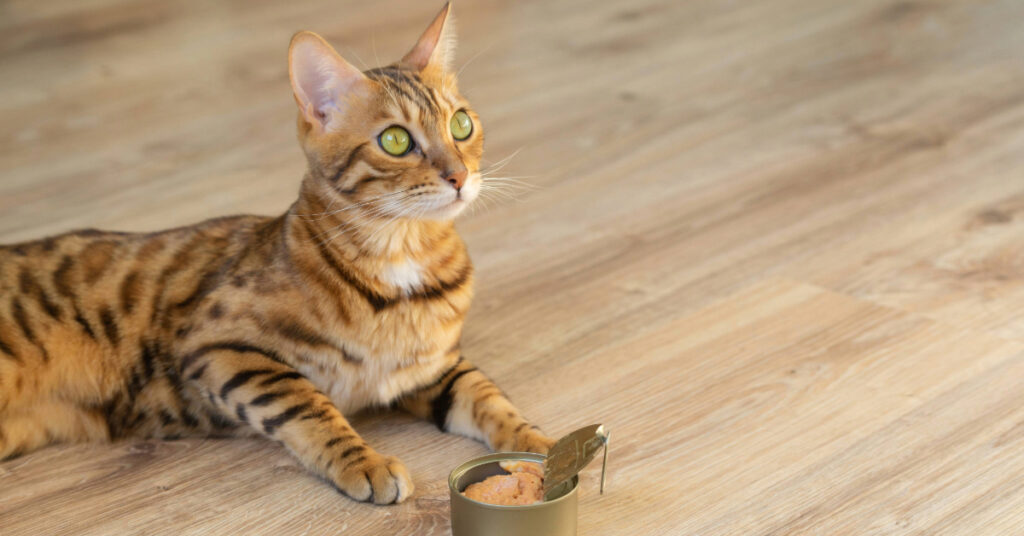
Many cat owners have wondered whether it’s safe to share a can of tuna with their feline companion. Cats can eat tuna, but with some important caveats that every cat owner should understand. While tuna isn’t toxic to cats, making it a regular part of their diet can create real nutritional and health problems over time. At McGehee Clinic for Animals in Memphis, TN, we want you to have the full picture so you can make smart feeding choices for your cat.
Can Cats Eat Tuna? The Short Answer
Yes, cats can eat tuna in small amounts as an occasional treat, but tuna should never be a dietary staple. Cats are obligate carnivores, which means they depend on animal protein for survival, and fish certainly qualifies as animal protein. However, tuna (whether canned or fresh) is not nutritionally complete for cats and can cause problems when fed too often or in large quantities.
Why Do Cats Love Tuna So Much?
Tuna has a strong, pungent smell and a rich flavor that many cats find irresistible. Cats are drawn to the high protein content and the distinctive scent, which stimulates their appetite powerfully. In fact, cats can develop a strong preference for tuna, sometimes to the point where they’ll refuse other foods. This is sometimes referred to as “tuna addiction,” and it’s a real concern for cat owners who offer it too frequently.
Is Tuna Safe for Cats? What You Need to Know
While tuna is not toxic, there are meaningful health risks associated with feeding cats tuna on a regular basis. Understanding these risks helps put the question “Can cats eat tuna?” in proper context.
Mercury Exposure
Tuna, particularly albacore and bigeye tuna, contains higher levels of mercury than many other fish. Mercury accumulates in tissues over time, and in cats, which are small animals with fast metabolisms, frequent tuna consumption can lead to mercury poisoning. Signs of mercury toxicity in cats include loss of coordination, difficulty walking, and neurological changes. This is one of the most significant reasons cats should not eat tuna regularly.
Nutritional Imbalance
Tuna does not contain all of the nutrients cats need. For example, cats require taurine, an amino acid found in animal tissues that is essential for heart health and vision. While tuna contains some taurine, it’s not present in amounts sufficient to meet a cat’s total daily needs when tuna is used as a primary food source. A diet heavy in tuna can also be deficient in calcium, sodium, and certain vitamins, leading to nutritional imbalances over time.
Yellow Fat Disease (Steatitis)
Cats fed large amounts of tuna, particularly canned tuna packed in oil, are at risk of developing steatitis, also known as yellow fat disease. This painful inflammatory condition occurs when a diet high in unsaturated fatty acids and low in vitamin E causes fat tissue to become inflamed. Steatitis requires veterinary treatment and can be serious if left unaddressed.
Thiamine Deficiency
Raw tuna contains an enzyme called thiaminase that destroys thiamine (vitamin B1), an essential nutrient for cats. While cooking typically deactivates this enzyme, cats fed large amounts of raw tuna can develop a thiamine deficiency, which can cause serious neurological symptoms. This is another reason to keep raw tuna away from cats entirely.
Picky Eating and Food Refusal
Cats that eat tuna frequently can become so attached to its intense flavor that they begin refusing their regular, nutritionally complete cat food. This makes it very difficult to provide balanced nutrition and can become a frustrating feeding dynamic for owners.
What Kind of Tuna Is Safer for Cats?
If you choose to offer tuna as an occasional treat, the safest options are:
- Canned tuna in water (not oil): Oil-packed tuna is higher in fat and more likely to contribute to nutritional imbalance. Water-packed is the better choice.
- Light tuna over albacore: Light tuna (usually skipjack) tends to have lower mercury levels than albacore or bigeye tuna.
- Plain tuna without additives: Avoid tuna with added salt, spices, garlic, onion, or other seasonings as these can be harmful or toxic to cats.
- Cooked rather than raw: Cooked tuna is safer because it eliminates harmful bacteria and deactivates the thiaminase enzyme.
How Much Tuna Can Cats Eat?
Tuna should be a treat, not a meal. A small amount, roughly a teaspoon to a tablespoon of plain, cooked tuna, offered once or twice a week at most is generally considered acceptable for a healthy adult cat. However, even this level of frequency can be a problem for cats with certain health conditions, including kidney disease or a history of urinary issues. If you’re unsure how much tuna is appropriate for your specific cat, your veterinarian at McGehee Clinic for Animals can help you work it into your pet’s diet safely.
Signs Your Cat May Be Eating Too Much Tuna
If your cat has been eating tuna regularly and you notice any of the following, it’s time to schedule a visit to McGehee Clinic for Animals:
- Refusing to eat regular cat food
- Loss of coordination or balance problems
- Muscle weakness or difficulty moving
- Weight loss or poor coat condition
- Vomiting or diarrhea
- Lethargy or unusual behavior changes
What to Feed Your Cat Instead
A high-quality, AAFCO-approved commercial cat food, whether wet, dry, or a combination, is formulated to meet all of your cat’s nutritional needs. If you want to offer your cat a fish-flavored treat, look for treats specifically designed for cats that are formulated to be safe and nutritionally appropriate. Our veterinary team at McGehee Clinic for Animals can offer personalized recommendations based on your cat’s age, weight, and health status.
Smart Cat Nutrition Starts with a Conversation in Memphis
So, can cats eat tuna? Yes, occasionally and in small amounts. But regular tuna feeding poses real risks that aren’t worth taking when balanced, nutritious cat food is widely available. If you have questions about your cat’s diet, treats, or overall nutrition, McGehee Clinic for Animals is here to help. Call (901) 682-5684 or book an appointment online today. Our veterinary team takes a practical, caring approach to cat health in Memphis, TN, and we’d love to help your cat thrive, one smart feeding choice at a time.