Cats are notoriously good at hiding when something is wrong, and cat dehydration is one of the sneakier issues that can slip by unnoticed until it’s more serious than it needed to be. Because cats naturally drink less water than dogs, even a modest drop in hydration can affect their kidneys, energy, and overall health. At McGehee Clinic for Animals, we want Memphis cat owners to know exactly what to look for, what causes it, and when it’s time to bring your cat in.
What Is Dehydration in Cats?
Cat dehydration happens when a cat’s body loses more fluid than it takes in, throwing off the balance of water and electrolytes that every system in the body depends on, from digestion to circulation to basic organ function.
Why Cats Are Especially Prone to It
Cats evolved from desert-dwelling ancestors, which means their instinct to drink is naturally weaker than a dog’s. This trait, combined with a diet that used to consist almost entirely of moisture-rich prey, means many modern cats on dry food alone take in less water than their bodies really need, setting the stage for cat dehydration over time. Indoor cats in particular may drink even less if their water source isn’t especially appealing to them, and some cats simply never developed a strong habit of visiting the water bowl throughout the day.
How the Body Responds
As fluid losses build up, blood volume drops and organs receive less oxygen and fewer nutrients than they need to function properly. Mild cat dehydration is often reversible quickly, but more advanced cases put real strain on the kidneys and other organs, since the kidneys rely heavily on adequate fluid to filter waste efficiently. Left unaddressed for too long, this strain can contribute to longer-term kidney problems down the road.
Cat Dehydration Symptoms
Recognizing cat dehydration early makes a real difference in how quickly a cat bounces back, and the signs aren’t always as obvious as they are in dogs, who tend to show thirst and fatigue more overtly.
Physical Signs to Watch For
Several physical clues can point toward cat dehydration, some more obvious than others.
- Dry or tacky gums instead of moist and slick
- Sunken eyes or a general look of fatigue
- Skin that stays tented instead of snapping back quickly when gently lifted
Behavioral Changes Matter Too
Beyond physical signs, cat dehydration often comes with behavioral shifts. A dehydrated cat may seem unusually lethargic, less interested in food, or reluctant to jump or move around as much as usual. Some cats also become more withdrawn, hiding more than they typically would, which can make the early signs even easier to miss in a cat who already spends a lot of time alone. Owners who know their cat’s normal routine well are often the first to notice something feels slightly off, even before more obvious symptoms appear.
Causes of Dehydration in Cats
Understanding what leads to cat dehydration helps you spot the risk before symptoms even appear.
Illness and Underlying Conditions
Vomiting, diarrhea, fever, and chronic conditions like kidney disease or diabetes all increase fluid loss or reduce a cat’s ability to retain water, making cat dehydration a common companion to a wide range of illnesses. Cats with hyperthyroidism can also lose fluids more rapidly than usual due to an increased metabolic rate, and cats managing more than one condition at once are often at compounded risk.
Environmental and Lifestyle Factors
Certain everyday circumstances raise the likelihood of cat dehydration even in a cat who is otherwise perfectly healthy and showing no other obvious signs of illness. Cats recovering from anesthesia or a recent illness are also at higher risk during the recovery window, since appetite and thirst often dip together during that period, making close attention especially important right after a procedure or a bout of illness.
- Warm weather without reliable access to shade or indoor cooling
- A water source that’s stale, out of reach, or simply unappealing to the cat
- A diet made up almost entirely of dry kibble with little added moisture
What To Do If Your Cat Is Dehydrated
If you suspect cat dehydration, the most useful next step is careful observation paired with a prompt call to your veterinary team.
Check for the Warning Signs
Gently check your cat’s gums and perform a simple skin tent check by lifting the skin between the shoulder blades and watching how quickly it settles back into place. Slow-returning skin is one of the more reliable signs of cat dehydration at home, though it isn’t foolproof on its own, especially in older cats with less elastic skin or cats carrying extra weight.
Contact McGehee Clinic for Animals
Rather than guessing at next steps, call McGehee Clinic for Animals to describe what you’re seeing. Our team can help you determine whether your cat needs to be seen right away or can be monitored closely at home for the next several hours. Sharing details like appetite, litter box habits, and any vomiting or diarrhea helps us get a fuller picture over the phone, which makes it easier to give you accurate guidance without needing to see your cat in person first.
Treatment for Dehydration in Cats
Once cat dehydration is confirmed, treatment depends heavily on how severe it is and what’s causing it in the first place.
Fluid Therapy Is the Core Treatment
Veterinarians typically treat cat dehydration with fluids given either under the skin or directly into a vein, depending on severity. This approach restores lost fluids far more quickly and reliably than encouraging a sick cat to drink on their own, and it allows for closer monitoring of how a cat responds throughout the course of treatment.
Addressing the Underlying Cause
Because cat dehydration is often a symptom of something else, treatment usually also targets the root cause, whether that’s managing kidney disease, treating an infection, or adjusting medication for a chronic condition. Bloodwork often plays a role in figuring out exactly what’s driving the fluid loss in the first place, and follow-up testing helps confirm that treatment is actually working as expected.
How To Prevent Dehydration in Cats
The good news is that cat dehydration is largely preventable with a few consistent habits.
Make Water More Appealing
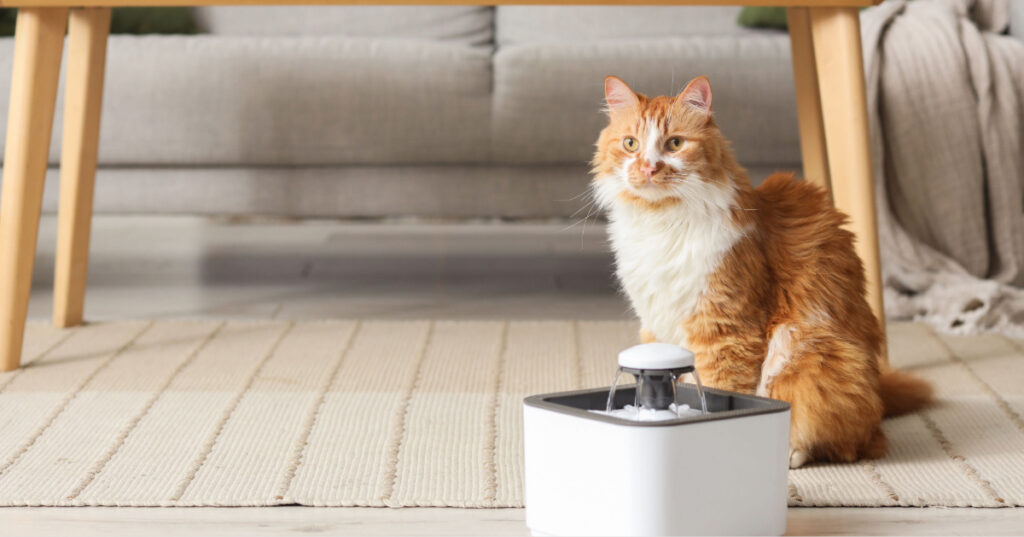
Many cats respond well to moving water, since it mimics the fresh streams their wild ancestors would have preferred over standing pools. Experimenting with bowl material, placement, and even ice cubes on hot days can make a noticeable difference for a picky drinker. It can take some trial and error to find what works best for an individual cat’s preferences. Additional methods include:
- Wet food mixed into the diet to boost overall moisture intake
- Keeping bowls away from litter boxes and food dishes, since many cats avoid drinking near either
- Refreshing the water at least once or twice a day rather than simply topping off a stale bowl
Build Hydration Into Routine Care
Bringing up hydration habits at routine visits gives our team at McGehee Clinic for Animals a chance to catch small issues before they become bigger ones. Cats with a history of urinary or kidney issues benefit especially from proactive hydration strategies discussed with your vet, since staying ahead of fluid loss can meaningfully slow the progression of some chronic conditions and reduce the frequency of flare-ups over time.
Cat dehydration is easy to overlook until a cat is already feeling the effects, but a few small habits and a watchful eye go a long way toward preventing it. If something still feels off, call us at (901) 682-5684 or book an appointment online rather than waiting to see if things improve on their own. Our team at McGehee Clinic for Animals is always glad to help Memphis cat owners figure out what’s normal and what needs a closer look.