
A collar with tags is a great first line of defense if your dog gets loose, but collars slip off, tags fall off buckles, and neither one is a permanent form of identification. So what does microchipping a dog do that a collar can’t? At McGehee Clinic for Animals, we talk with Memphis pet owners about this question all the time, especially before summer travel or after a scare with an open gate. Here’s a clear look at what a microchip actually does, why it matters, and how to make sure it works the way it’s supposed to for years to come.
What Is a Microchip?
Before getting into what microchipping a dog does for your specific pet, it helps to understand what the device actually is and how it differs from other forms of identification.
A Tiny Chip With a Big Job
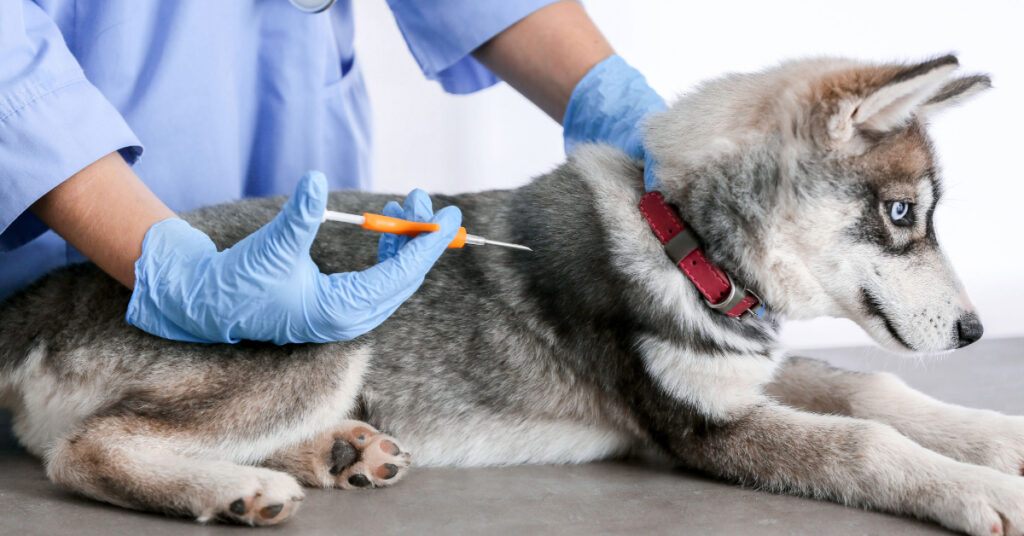
A microchip is a small electronic chip, roughly the size of a grain of rice, that’s implanted just under a dog’s skin, typically between the shoulder blades. It contains a unique identification number that’s permanently linked to your contact information in a pet recovery database. Unlike a collar, it can’t be removed, chewed off, or lost during a chase through the neighborhood, which is a big part of what microchipping a dog does so effectively compared to other ID options.
How the Implant Process Works
The chip is inserted using a needle, similar to a routine vaccination, and the process takes only a few seconds. Most dogs tolerate it about as well as any other quick injection, and no sedation is typically needed for the procedure itself. This simplicity is part of what does microchipping a dog does so well compared to more invasive identification options some owners consider. It’s common practice to implant a microchip during a routine appointment, sometimes at the same visit as a spay, neuter, or annual exam, which makes it an easy addition to a visit you’re already planning. A few practical details are worth knowing:
- Chips follow a standardized frequency so any compatible scanner, regardless of brand, can read them
- No incision, stitches, or recovery time required
- Most clinics complete the full process, paperwork included, in well under ten minutes
Why Does My Dog Need a Microchip?
Understanding what microchipping a dog does in practical terms comes down to one simple idea: it dramatically improves the odds of a happy reunion if your dog ever goes missing.
Collars and Tags Aren’t Always Reliable
Collars can break, slip off during a struggle, or simply not be on your dog at the moment they get loose, whether that’s during a home renovation, a car accident, or an open door. A microchip stays in place regardless of what’s happening on the outside, which is exactly what microchipping a dog does that other forms of ID simply can’t guarantee. Even the most diligent owner can’t control every situation where a collar might come off unexpectedly.
The Numbers Support Permanent ID
Studies on lost pets consistently show that microchipped dogs are reunited with their owners at significantly higher rates than dogs relying on collar tags alone. Shelters and veterinary clinics scan every incoming stray as a matter of routine, which means a chip gives your dog a chance at identification even if every other clue is missing. This is a core part of what microchipping does for dogs who travel, escape artists, or dogs who spend time off-leash at parks or trails. It also matters for dogs who move between households, such as those shared between family members or who spend time at a pet sitter’s home. A few additional details round out the picture:
- Chips are designed to last the life of the pet, with no battery or replacement needed
- Registration databases are typically checked on a national level, not just locally
- Many databases allow a secondary emergency contact in case you can’t be reached right away
Dogs who are naturally more prone to wandering, such as breeds with a strong prey drive or a history of escaping fenced yards, benefit especially from this layer of permanent identification.
Puppies Can Be Chipped Early
Microchipping isn’t limited to adult dogs. Puppies can typically be chipped at a young age, often during one of their early vaccination visits, which means the protection is in place well before a young, curious dog has the chance to slip out an open door for the first time. Getting it done early also means one less thing to remember once the puppy stage settles down.
How to Effectively Use a Dog Microchip
A microchip only works as well as the information behind it, so understanding what does microchipping a dog do isn’t complete without knowing how to maintain it properly.
Registration Is the Step Many Owners Miss
Implanting the chip is only half the equation. The chip must also be registered with your current phone number, address, and email in the manufacturer’s database, since an unregistered chip has no contact information attached to it when it’s scanned. Many owners assume registration happens automatically, but in most cases it requires a separate step either online or through your vet’s office, and skipping that step means the chip is essentially blank from a recovery standpoint.
Keep Your Information Current
Anytime you move, change your phone number, or get a new email address, updating your microchip registration should be part of the checklist. At McGehee Clinic for Animals, we recommend owners double-check their registration information at least once a year, ideally around an annual wellness visit, to make sure everything is still accurate. Outdated contact information is one of the most common reasons a found dog can’t be reunited with its owner quickly, even when the chip itself is working exactly as designed.
Microchips Are Not GPS Tracking Devices
One of the most common misunderstandings about microchipping a dog involves confusing it with a tracking device, and clearing up that confusion matters for setting the right expectations from day one.
No Real-Time Location Data
A microchip does not transmit a signal, connect to satellites, or allow you to pull up your dog’s location on a map. It only stores an identification number that becomes readable once a special scanner is passed directly over it, typically within a few inches. Understanding what microchipping a dog does, and just as importantly what it doesn’t do, helps set realistic expectations from the start.
Why This Distinction Matters
Because a microchip isn’t a tracker, it won’t help you find a dog that’s currently missing in real time, which is an important limitation for owners to understand upfront. That’s an important part of answering “What does microchipping a dog do differently from GPS collars?”, which are a separate product entirely and serve a different purpose. Its value comes into play after your dog has already been found by someone else, whether that’s a neighbor, animal control, or a nearby vet clinic, and scanned as part of the standard intake process. Pairing a microchip with a visible collar and ID tag still gives your dog the best combination of everyday visibility and permanent backup identification, covering the gap between what a passerby can see and what a scanner can confirm once your dog reaches a shelter or clinic.
So what does microchipping a dog do, in the end? It gives your dog a permanent, tamper-resistant form of identification that dramatically improves the odds of a safe return home if they ever get lost. At McGehee Clinic for Animals, we’re happy to answer any questions about the microchipping process or help you register and update a chip your dog already has. Call (901) 682-5684 or book an appointment online today! A few minutes now can make all the difference if the unexpected ever happens, turning a stressful situation into a much shorter separation and a far more predictable outcome.