
If you’ve ever stepped on a damp little surprise in the middle of the night, you already know a cat hairball when you see one. While an occasional hairball is a normal part of life with a cat, frequent hairballs can sometimes point to an underlying issue worth a closer look. At McGehee Clinic for Animals, we can help Memphis cat owners tell the difference between a routine hairball and a pattern that deserves attention, so a small mess never has to feel like a mystery.
What Are Hairballs?
A cat hairball is exactly what it sounds like: a mass of swallowed fur that a cat’s digestive system couldn’t fully process and eventually brings back up. It’s one of the most universally recognized quirks of living with a cat, and nearly every cat owner encounters one sooner or later.
How They Actually Form
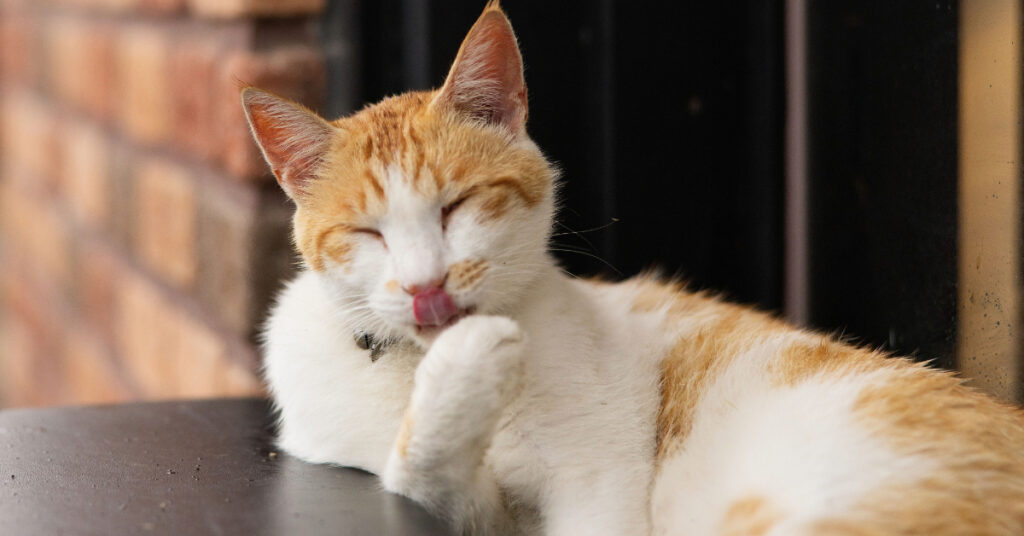
As cats groom themselves throughout the day, loose fur gets caught on the tiny barbs of their tongue and swallowed. Most of that fur passes harmlessly through the digestive tract, but some accumulates in the stomach over time, gradually compacting into the shape that gives a cat hairball its name. This is a completely normal part of feline anatomy, not a sign that something is inherently wrong with a cat’s grooming habits. The tongue’s barbed texture, which feels rough to the touch, is specifically designed for grooming and happens to be very efficient at collecting loose fur along the way.
Why the Shape Looks the Way It Does
A cat hairball typically looks cylindrical rather than round, which often surprises people who assume it should be ball-shaped given the name. That elongated shape comes from the fur passing through the narrow esophagus on its way back up, compressing it into that recognizable tube-like form along the way rather than a neat little sphere.
What Causes Hairballs in Cats?
Several factors influence how often a cat deals with a hairball, and some cats are simply more prone to them than others based on breed, coat length, and general grooming habits.
Grooming Habits and Coat Type
Cats who groom themselves frequently, along with long-haired breeds, tend to swallow more loose fur overall, which naturally raises the odds of a cat hairball forming. Shedding season also brings a temporary spike in how much fur a cat ingests during normal grooming, even in cats who don’t typically have hairball issues the rest of the year, catching some owners off guard each spring and fall.
Digestive Factors That Play a Role
Beyond grooming and coat type, several digestive and behavioral factors can make a hairball more likely:
- Reduced gut motility, which slows how quickly fur moves through the digestive tract
- Skin conditions that lead to excessive grooming and licking
- Stress or anxiety, which can trigger compulsive grooming behavior in some cats
Age and Health Can Shift the Pattern
Older cats and cats with certain health conditions may groom differently or have slower digestion, both of which can change how often a hairball shows up compared to when they were younger. A sudden increase in frequency for an older cat is often worth mentioning at a wellness visit, since it can sometimes signal a shift in digestive function that’s worth investigating further.
Recognizing Symptoms of Hairballs in Cats
Most of the time, a cat hairball announces itself pretty clearly, but a few related signs are worth knowing.
The Classic Signs
The telltale retching sound followed by a cylindrical mass is the most recognizable sign of a cat hairball. This process is usually quick, and most cats act completely normal again within minutes, often walking away and resuming their day as though nothing happened at all.
Signs That Go Beyond a Typical Hairball
Occasionally, symptoms suggest something more than a routine hairball is going on, including repeated unproductive retching, a noticeable drop in appetite, or visible discomfort in the belly area. These signs deserve more attention than an ordinary cat hairball episode, particularly when they persist for more than a day or two. A cat who seems to be straining without bringing anything up is showing a different pattern than the usual quick, self-resolving episode most owners are used to.
How to Prevent Cat Hairballs
While no cat is entirely hairball-proof, a few consistent habits can meaningfully cut down on how often a cat hairball shows up.
Brushing Reduces Loose Fur
Regular brushing removes loose fur before a cat has the chance to swallow it during self-grooming, which is one of the most effective ways to reduce cat hairball frequency, especially in long-haired breeds. Even a few minutes a few times a week can make a noticeable difference over time, and most cats come to enjoy the routine once they’re used to it.
Diet and Water Intake Matter
What a cat eats and drinks also plays a meaningful role in how well fur moves through the digestive system:
- Hairball-formula cat foods designed to help fur pass through more easily
- Canned or wet food to boost overall moisture and support digestion
- Fresh, accessible water throughout the house to keep everything moving smoothly
Environmental Enrichment Can Help Too
Reducing stress through consistent routines, enough vertical space, and engaging playtime can cut down on anxiety-driven overgrooming, which in turn lowers how often a hairball develops from excessive licking. Puzzle feeders and regular play sessions can also redirect some of that nervous energy in a healthier direction. A predictable daily routine tends to have a calming effect on many cats, which can indirectly reduce how much time they spend grooming out of boredom or stress.
Complications of Cat Hairballs
Although most hairballs pass without issue, a cat hairball can occasionally lead to a more serious complication.
Trichobezoars and Blockages
In rare cases, a mass of fur can grow too large to pass either direction, forming what’s known as a trichobezoar. This kind of hairball can partially or fully block the digestive tract, which is a much more serious situation than a routine cat hairball. Unlike a typical hairball, a trichobezoar doesn’t resolve on its own and generally requires professional intervention to clear.
Why Blockages Require Prompt Care
A blocked digestive tract from a cat hairball needs veterinary attention right away, since it can affect a cat’s ability to eat, drink, or pass waste normally if left unaddressed. Surgery is sometimes necessary to resolve a true blockage, which is part of why catching the warning signs early matters so much. The sooner a blockage is identified, the more treatment options are typically available.
When to See a Vet About Hairballs
Knowing when a hairball has crossed the line from normal to concerning helps you act quickly when it matters most, rather than second-guessing whether it’s worth a call.
Red Flags That Warrant a Visit
Frequent hairballs, more than about once a month, combined with vomiting unrelated to fur, lethargy, or a reduced appetite are all reasons to schedule a visit rather than assume it’s just another routine cat hairball. A cat straining repeatedly without producing anything is also worth a same-day call rather than a wait-and-see approach, since that pattern can be an early sign of a more serious blockage forming.
Reach Out to McGehee Clinic for Animals
If you’re ever unsure whether what you’re seeing is a normal cat hairball or something that needs veterinary input, McGehee Clinic for Animals is happy to help you sort it out. Call (901) 682-5684 or book an appointment online with our team today.
A cat hairball is usually nothing more than an unpleasant but harmless part of cat ownership. Still, paying attention to frequency and accompanying symptoms helps catch the rare cases that need more than a paper towel and a shrug. Our team at McGehee Clinic for Animals is always ready to help Memphis cat owners figure out what’s typical and what’s genuinely worth a second look.