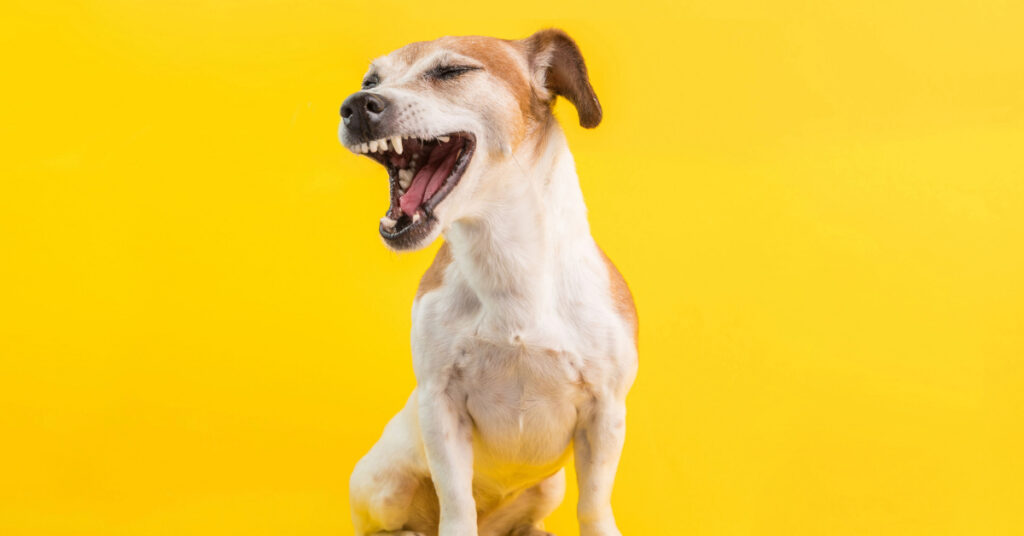
A little dog sneezing here and there is usually nothing to worry about, but a sudden burst or a pattern that won’t quit is worth paying attention to. Dog sneezing is one of the most common reasons Memphis pet owners bring their dogs into McGehee Clinic for Animals, and most of the time it turns out to be completely harmless. Still, occasional sneezing can point to something that needs treatment, so it helps to know the difference between a passing tickle and a sign worth acting on.
What Causes Dog Sneezing?
Dog sneezing happens when something irritates the delicate lining of the nasal passages, triggering a reflex that forces air out quickly to clear the irritant. That basic mechanism is shared across nearly every cause, from the mundane to the more serious, though what’s doing the irritating can vary quite a bit from dog to dog.
Everyday Irritants Are the Most Common Culprit
Most dog sneezing comes down to simple environmental triggers. Dust, pollen, strong perfumes, cleaning products, and even a face full of grass during a walk can all set off a sneezing fit. This type of sneezing is typically brief and resolves on its own once the irritant is gone, without any lingering symptoms afterward. Some of the most common everyday triggers include:
- Household dust and cleaning sprays
- Seasonal pollen from grass, trees, and weeds
- Strong scents like candles, perfume, or cigarette smoke
Dogs with longer noses tend to experience this kind of dog sneezing slightly differently than flat-faced breeds, since airflow patterns and how deeply particles reach the nasal passages both play a role. Dogs with longer snouts often filter more debris before it reaches sensitive tissue, while flat-faced breeds may sneeze more readily because irritants have a shorter path to travel.
Reverse Sneezing Looks Alarming but Usually Isn’t
Some owners mistake a different reflex, called reverse sneezing, for regular dog sneezing. Reverse sneezing produces a loud snorting sound as a dog rapidly pulls air in through the nose rather than pushing it out, often triggered by excitement, pulling on a leash, or a sudden change in temperature. It can sound dramatic, especially the first time you hear it, but episodes are typically brief and resolve on their own within a minute or two without any lasting effects.
Play Sneezing Is a Normal Behavior
Some dog sneezing has nothing to do with irritation at all. Dogs often sneeze during play as a way to signal excitement or defuse tension with another dog, a behavior trainers and behaviorists sometimes call a “play sneeze.” This kind of sneezing is quick, happens during activity, and stops as soon as the play does. It’s one of the more entertaining reasons a dog might sneeze, and owners usually recognize the pattern once they know to look for it.
When Dog Sneezing Becomes a Concern
While occasional sneezing is normal, certain patterns and accompanying symptoms shift dog sneezing from background noise to something worth watching closely.
Frequency and Duration Matter
A single sneeze or a short fit rarely means much. Dog sneezing that repeats constantly throughout the day, continues for more than a few days, or seems to worsen over time is a different story, since that pattern often points to an ongoing source of irritation rather than a one-time trigger. A dog who suddenly starts sneezing dozens of times in a row, especially after being outside, may have something lodged in the nasal passages.
Watch for These Accompanying Signs
Certain symptoms alongside dog sneezing raise the likelihood that something more than a passing irritant is involved:
- Nasal discharge, especially if it’s thick, colored, or has an odor
- Blood in the discharge, even a small amount
- Pawing at the face or visible discomfort around the nose
- Reduced appetite or noticeably lower energy
Any one of these paired with ongoing sneezing is a good reason to schedule a visit rather than wait it out. Symptoms that show up on only one side of the face or one nostril are also worth mentioning, since that pattern can point toward a localized issue rather than a general irritation.
Diagnosing the Cause of Dog Sneezing
Figuring out exactly why a dog is sneezing usually starts with a conversation about when it started, how often it happens, and what else has changed at home or on daily walks.
The Physical Exam Comes First
At McGehee Clinic for Animals, diagnosing dog sneezing typically begins with a close look at the nose, mouth, and throat, along with a check for swelling, discharge, or anything lodged in the nasal passages. The exam often includes a look at the teeth as well, since dental issues can be an unexpected source of nasal irritation. Many cases of dog sneezing are resolved with this exam alone, especially when a foreign object like a grass awn is the culprit.
When Further Testing Is Needed
If the cause of the sneezing isn’t obvious on exam, additional diagnostics may be recommended. Dental X-rays can rule out tooth root infections that extend into the nasal cavity, while imaging or a scope can help identify polyps, tumors, or deeper obstructions in dogs with chronic sneezing that hasn’t responded to simpler explanations. In some cases, a sample of nasal discharge may be tested to check for infection, and in persistent cases involving one nostril, a closer look for a mass or foreign body may be warranted.
Age and Health History Provide Useful Clues
A dog’s age and overall health history can also narrow down the likely cause of ongoing sneezing. Younger, active dogs who spend a lot of time outdoors are more likely to pick up a foreign object or seasonal irritant, while older dogs are somewhat more likely to develop dental disease or growths that lead to chronic nasal symptoms. Sharing this kind of background with your vet, including any recent travel, new plants at home, or changes in routine, helps make the diagnostic process faster and more targeted.
Can You Prevent Dog Sneezing?
While not every case of dog sneezing can be avoided, a few habits can reduce how often your dog deals with nasal irritation in the first place.
Reducing Household and Outdoor Triggers
Because so much sneezing traces back to environmental irritants, small changes at home can make a noticeable difference. Switching to fragrance-free cleaning products, vacuuming regularly, and rinsing your dog’s face after walks through tall grass or wooded areas can all cut down on triggers. A few simple habits go a long way:
- Use unscented or pet-safe cleaning products indoors
- Keep dogs away from freshly mowed lawns when possible
- Check for grass seeds or debris around the nose after outdoor play
During high-pollen seasons, limiting time outdoors during peak hours can also reduce how often allergy-related sneezing flares up.
Routine Vet Visits Catch Problems Early
Regular checkups give our veterinary team at McGehee Clinic for Animals a chance to catch dental disease, growths, or chronic inflammation before they become a bigger source of dog sneezing. Bringing up even mild, recurring sneezing at a routine visit is an easy way to stay ahead of anything more serious, and it gives your vet a fuller picture of what’s normal for your individual dog.
A little dog sneezing now and then is simply part of life with a curious dog who spends time sniffing around the yard or greeting other dogs at the park. What matters most is paying attention to changes in frequency, discharge, or behavior alongside the sneezing itself, rather than the sneezing in isolation. If something feels off, our team at McGehee Clinic for Animals is always ready to help Memphis pet owners sort out what’s normal and what deserves a closer look, so you’re never left guessing about your own dog’s symptoms. Call (901) 682-5684 or book an appointment online today!