
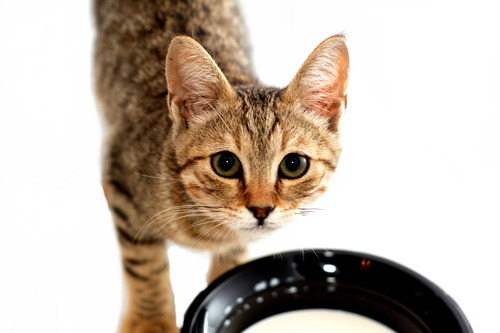
Many cat owners wonder, “Can cats have milk?” While the image of a kitten happily lapping from a bowl of milk is a familiar one, the truth is that most cats cannot digest milk properly. The majority of adult cats are lactose intolerant, meaning their bodies lack the enzyme needed to break down lactose, which is the sugar found in milk. Drinking milk may lead to stomach upset, diarrhea, or other digestive problems. This blog will explore why milk isn’t the best choice for cats and what alternatives are available, so you can support your cat’s health safely.
The Myth Behind Cats and Milk
It’s easy to see how the association between cats and milk began. Early domesticated cats lived around farms and dairies, where milk was readily available. Kittens, of course, nurse from their mothers and can digest milk during this stage of life. However, once kittens are weaned, their ability to process lactose declines dramatically.
Can cats have milk once they’re grown? For most adult cats, the answer is no. Their digestive systems no longer produce enough lactase, which is the enzyme that breaks down lactose in milk. Without lactase, lactose passes through the intestines undigested, leading to gastrointestinal distress. While some cats may seem to tolerate milk, that doesn’t mean it’s beneficial or safe for them long-term.
Why Most Cats Are Lactose Intolerant
When kittens nurse, their small intestines produce lactase to help them digest their mother’s milk. Once they transition to solid food, lactase production decreases. This natural change prevents adult cats from digesting milk properly.
How Lactose Affects the Digestive System
When a cat consumes milk, undigested lactose remains in the digestive tract. The lactose draws water into the intestines and ferments as bacteria break it down, causing bloating, gas, and diarrhea. Even a small serving can lead to discomfort, especially in cats with sensitive stomachs.
Signs of Lactose Intolerance in Cats
If your cat drinks milk and experiences any of the following symptoms, it’s a sign that their body can’t handle lactose:
- Loose stools or diarrhea
- Bloating or abdominal discomfort
- Gas or flatulence
- Vomiting
- Lethargy or lack of appetite
These signs may appear within hours of consumption. While not usually life-threatening, repeated exposure can lead to dehydration and nutrient imbalances, which are concerning over time.
Are There Any Cats That Can Have Milk?
Every cat’s tolerance is different, but lactose intolerance is common in most adult cats. Some cats may handle small quantities of milk without visible symptoms, but that doesn’t mean milk is a healthy treat.
Breed Differences and Individual Tolerance
A few anecdotal reports suggest that certain cats can digest milk more easily, but there is no scientific evidence to support breed-based tolerance. Even if your cat appears to handle milk, veterinarians generally recommend limiting it to very small amounts or avoiding it altogether to prevent digestive upset.
Safer Occasional Use
If you decide to offer milk as a rare treat, choose lactose-free options made specifically for cats. These products mimic the flavor and texture of real milk but without the lactose that causes digestive issues. Always check the ingredient label to ensure there are no added sugars or artificial flavorings.
Can Cats Have Milk from Other Animals?
Some pet owners believe milk from goats, sheep, or other animals might be easier for cats to digest. Unfortunately, these types of milk still contain lactose, though sometimes in smaller amounts.
Cow’s Milk vs. Goat’s Milk
Goat’s milk contains slightly less lactose than cow’s milk, but the difference isn’t significant enough to prevent symptoms. Both can lead to digestive upset in lactose-intolerant cats. Even milk labeled as “raw” or “natural” still contains lactose, which cats cannot process effectively.
Plant-Based Milks Aren’t Safe Either
Oat milk, almond milk, and soy milk may seem like better options, but these plant-based alternatives come with their own risks. They often contain added sugars, preservatives, or artificial flavors that can upset your cat’s stomach. Additionally, plant-based milks lack the protein and nutrients cats need to thrive.
What Can Cats Drink Instead of Milk?
You don’t need to deprive your cat of a treat if they enjoy the flavor of milk. There are several safe alternatives that satisfy their curiosity and taste buds without upsetting their stomach.
Lactose-Free Cat Milk
Pet stores often sell “cat milk,” which is specially formulated to be lactose-free and safe for feline digestion. These products offer a creamy texture cats enjoy while avoiding the digestive problems associated with regular milk.
Hydrating Options
Since cats often don’t drink enough water, encouraging hydration is key. Offer fresh water daily in clean bowls or pet fountains. Wet cat food is also an excellent source of hydration and provides balanced nutrition.
Occasional Treats
If you want to reward your cat, consider cat-safe treats that provide both flavor and nutrition. Freeze-dried meat treats or small pieces of cooked chicken are far healthier choices than dairy products.
Why Water Is Always the Best Choice
While it may be tempting to pour your cat a saucer of milk, fresh water should always be the primary beverage for cats. Hydration supports every function in your cat’s body, from kidney health to digestion.
Encouraging Cats to Drink More Water
Some cats are finicky about their water sources. Try these tips to promote better hydration:
- Use a cat fountain for continuously fresh, moving water.
- Offer water in wide, shallow bowls made of glass or stainless steel.
- Place multiple water stations throughout your home.
- Mix water into your cat’s wet food for added hydration.
These small changes make a big difference for cats that prefer milk’s texture or smell.
The Role of Diet in Digestive Health
Your cat’s digestive system is designed for a meat-based diet. They’re obligate carnivores, meaning they rely on nutrients found in animal protein. Milk doesn’t contribute any essential nutrients that your cat can’t get from their regular diet.
Importance of Balanced Nutrition
Feeding high-quality cat food formulated for their age, lifestyle, and health needs is the best way to keep your cat in good condition. A balanced diet supports digestion, immune function, and energy levels far better than milk ever could.
When to Contact Your Veterinarian
If your cat experiences chronic digestive issues, it’s best to schedule a veterinary visit. Our team at McGehee Clinic for Animals in Memphis, TN, can help identify the cause and recommend appropriate solutions.
Creating Better Habits for a Healthier Cat
It’s understandable to want to spoil your cat with special treats, but it’s important to make choices that support their overall health. So, can cats have milk? Most cannot, and it’s best to choose alternatives that are easier on their stomach. With lactose-free cat milk, plenty of clean water, and a balanced diet, you can offer comfort and care without the unwanted side effects of dairy. If you have questions about your cat’s diet or digestion, call McGehee Clinic for Animals at (901) 682-5684 or book an appointment online today. Your veterinarian can provide guidance on safe, healthy treat options that align with your cat’s nutritional needs.