
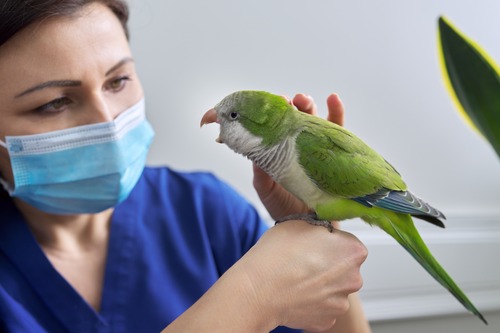
Exotic pets such as reptiles, birds, amphibians, and small mammals require specialized care that goes far beyond what most people expect. Even if your bearded dragon looks healthy or your parrot seems energetic, regular visits to an exotic vet are essential for their health and longevity. Exotic species often hide illness until it becomes advanced, making preventive care and expert evaluation critical. An experienced exotic vet understands the unique anatomy, nutrition, and environmental needs of these animals and can help identify problems before they become serious. Whether you share your home with a gecko, guinea pig, or cockatiel, scheduling regular exotic vet care visits is one of the best ways to help them thrive. Below are six important reasons why these unique animals should see a veterinarian who specializes in exotic species.
Exotic Pets Often Hide Signs of Illness
In the wild, showing weakness can make an animal a target for predators. This survival instinct remains strong in captivity, which means your pet may appear healthy even when they’re not. By the time physical symptoms appear, their condition may already be advanced. An exotic vet is trained to recognize subtle changes in appearance or behavior that might go unnoticed by the average pet owner. They may notice small details such as changes in breathing patterns, posture, or feather condition that point to early signs of disease.
Subtle Signs That May Indicate Illness
- Reduced appetite or sudden changes in eating habits
- Unusual droppings or changes in color and consistency
- Lethargy or reduced activity
- Weight loss or swelling
- Abnormal shedding or molting
Regular checkups with an exotic vet allow for early intervention and a better chance of successful treatment.
They Have Unique Dietary Requirements
Feeding an exotic pet involves more than offering a standard diet. Each species has its own nutritional needs that can be difficult to meet without proper guidance. For instance, parrots require balanced nutrients to prevent liver disease, reptiles need specific calcium and vitamin D3 levels for bone health, and rabbits require constant access to hay for digestion. An exotic vet can assess your pet’s diet to ensure they’re receiving the right balance of nutrients. They can also recommend trusted commercial foods, supplements, or feeding schedules tailored to your pet’s species and life stage.
Common Nutrition-Related Health Issues
- Metabolic bone disease in reptiles
- Obesity in birds and small mammals
- Vitamin deficiencies leading to poor growth or feather quality
- Dental disease from improper food textures
Working with an exotic vet helps you make informed choices and prevent dietary-related illness before it begins.
Proper Habitat and Environment Matter
An exotic pet’s environment directly affects its health. Incorrect temperature, humidity, or lighting can cause serious health issues, especially for reptiles, amphibians, and tropical birds. During routine wellness exams, an exotic vet can evaluate your pet’s habitat setup and make recommendations. This includes assessing enclosure size, lighting cycles, temperature gradients, humidity levels, and enrichment opportunities that mimic natural behavior.
Environmental Mistakes That Can Cause Problems
- Insufficient UVB lighting in reptiles, leading to bone disease
- Poor ventilation causing respiratory infections in birds
- Inadequate humidity causing shedding or skin problems
- Unsuitable substrate that may lead to impaction or injury
Maintaining the right habitat isn’t just about comfort, it’s about survival. Regular visits to an exotic vet ensure your pet’s environment supports their long-term well-being.
Routine Veterinary Care Helps Prevent Disease
Just like cats and dogs, exotic pets benefit from preventive care. Routine visits allow your exotic vet to conduct wellness exams, perform diagnostic tests, and provide parasite prevention when appropriate. These proactive steps reduce the likelihood of illness and extend your pet’s life. Even indoor-only pets can face risks from bacteria, parasites, or viruses. Regular exams give your veterinarian the opportunity to detect hidden infections, organ dysfunction, or other underlying health concerns before they progress.
Preventive Care Services an Exotic Vet Provides
- Physical examinations and weight monitoring
- Fecal testing for parasites
- Bloodwork to assess internal health
- Nail, beak, or tooth trimming as needed
- Environmental and dietary consultations
Building a relationship with an exotic vet ensures your pet receives continuous, knowledgeable care throughout their life.
Emergency Situations Require Specialized Knowledge
When an exotic pet becomes sick or injured, emergency care can be more complicated than with traditional pets. Their small size, delicate systems, and species-specific anatomy require precise handling and expertise. An exotic vet knows how to stabilize these animals safely and has access to the right diagnostic tools and equipment. They also understand how different species respond to medication, anesthesia, and treatment, knowledge that’s essential during a health crisis.
When to Seek Immediate Veterinary Attention
- Difficulty breathing or open-mouth breathing
- Refusal to eat for more than a day or two
- Lethargy, collapse, or unresponsiveness
- Bleeding, swelling, or visible injury
- Changes in stool, urine, or droppings
Having an established relationship with an exotic vet means you already have a trusted expert to turn to during emergencies.
Regular Checkups Support a Longer, Healthier Life
Exotic pets can live surprisingly long lives when cared for properly. Some parrots live for decades, and turtles can exceed 50 years. However, their longevity depends on consistent care and early detection of potential health concerns. Routine visits with an exotic vet allow for ongoing monitoring of your pet’s growth, behavior, and health changes. These checkups provide valuable opportunities to discuss habitat upgrades, dietary adjustments, or age-related concerns as your pet matures.
Long-Term Health Monitoring
- Weight tracking to detect gradual changes
- Dental and beak evaluations
- Organ function assessment through bloodwork
- Guidance on age-specific needs and care
Your exotic vet becomes a key partner in helping your pet enjoy the healthiest life possible, year after year.
Build a Lifelong Partnership with Your Exotic Vet in Memphis, TN
Exotic pets bring color, character, and curiosity into our lives, but they also require dedicated care from professionals who understand their complexity. Whether you own a parrot, iguana, ferret, or chinchilla, partnering with an experienced exotic vet gives your pet the best chance at a healthy, happy life. At McGehee Clinic for Animals in Memphis, TN, our team offers expert veterinary care for a variety of exotic species. We take time to get to know your pet and provide guidance tailored to their individual needs. Schedule your visit today by calling (901) 682-5684 or book an appointment online to meet with an exotic vet who truly understands your pet.