
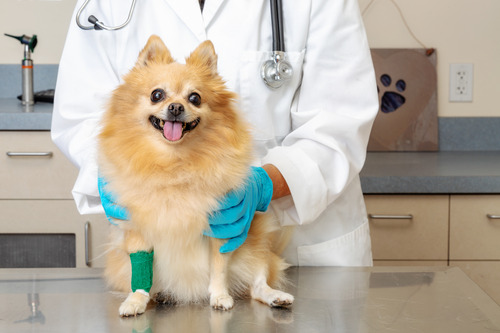
When your pet is sick or injured, it can be difficult to know if the situation calls for an emergency vet visit. In general, any sudden change in behavior, breathing, appetite, or mobility may indicate something serious. The sooner your pet receives medical attention, the better their chances of recovery. Recognizing when it’s necessary to contact an emergency vet can help protect your pet’s health and possibly save their life. McGehee Clinic for Animals in Memphis, TN, provides emergency vet care to help when your pet needs immediate attention. Below, we’ll explain the most common signs that require urgent attention and what they could mean for your pet’s health.
Difficulty Breathing or Labored Breathing
If your pet is struggling to breathe, this is one of the clearest signs they need an emergency vet right away. Breathing problems can stem from allergic reactions, heart disease, asthma (in cats), airway obstructions, or trauma.
Signs of Respiratory Distress
Watch for open-mouth breathing (especially in cats), wheezing, coughing, gasping, or blue-tinged gums or tongue. Any of these symptoms indicate your pet isn’t getting enough oxygen and requires urgent medical attention. Even if your pet seems calm after a few moments, do not wait to see if their condition improves. Respiratory distress is always a veterinary emergency. Call McGehee Clinic for Animals at (901) 682-5684 or head to the nearest emergency vet facility immediately.
Severe Bleeding or Open Wounds
Bleeding that doesn’t stop within a few minutes or a deep wound is another reason to see the emergency vet. Injuries can cause blood loss, pain, and infection, especially if the wound is near a joint or major organ.
What to Watch For
Look for blood on your pet’s bedding, fur, or in their stool or urine. Even if you can’t see where it’s coming from, internal bleeding can occur after trauma such as being hit by a car or falling from a height. Pale gums, weakness, or collapse can all point to internal bleeding and require immediate evaluation.
Persistent Vomiting or Diarrhea
Occasional digestive upset can happen to any pet, but repeated vomiting or diarrhea can indicate poisoning, infections, or underlying diseases.
When It Becomes an Emergency
If your pet vomits multiple times in a short period or if there’s blood in their vomit or stool, contact an emergency vet. Dehydration can set in quickly, and the cause may require urgent treatment. Vomiting combined with lethargy, bloating, or abdominal pain may also indicate a serious condition such as gastrointestinal obstruction or pancreatitis.
Inability to Urinate or Defecate
A pet straining to urinate or defecate, crying out, or producing little to no output could have a serious medical problem.
Why This Requires Urgent Care
In male cats especially, urinary blockages can become life-threatening within hours. The bladder fills with toxins that can damage the kidneys and other organs if untreated. Dogs and cats can also experience constipation or impaction that causes severe discomfort and internal damage. Always call an emergency vet if your pet has not urinated or defecated in over 24 hours or appears to be in distress when trying.
Collapse, Weakness, or Disorientation
If your pet collapses, cannot stand, or seems confused, take this as a medical emergency. These symptoms can arise from heart problems, heatstroke, low blood sugar, poisoning, or neurological disorders.
Common Indicators
Look for stumbling, falling, trembling, or glassy eyes. If your pet becomes suddenly weak or disoriented, try to keep them calm and comfortable while contacting your emergency vet. Never attempt to feed or give medication unless instructed by a professional.
Seizures or Tremors
A seizure is a serious event that may look like twitching, stiffening, or loss of consciousness. Some pets may drool, paddle their legs, or appear dazed afterward.
Signs It’s Time to Contact Your Emergency Vet
One seizure can be alarming, but multiple seizures in a short time or one lasting longer than five minutes requires emergency attention. Causes can range from toxin exposure to epilepsy or brain injury. Even if your pet seems normal after a seizure, a veterinary exam is necessary to find the underlying cause.
Swollen Abdomen or Painful Belly
A sudden bloated or painful abdomen, especially in large breed dogs, may indicate a dangerous condition called gastric dilatation-volvulus (GDV), or bloat. This condition causes the stomach to fill with gas and twist, cutting off blood flow. It’s rapidly fatal without emergency surgery.
Signs of Bloat or Abdominal Distress
Look for a hard, distended belly, retching without vomiting, pacing, or restlessness. Even if you’re unsure whether it’s bloat, contact your emergency vet immediately. Other causes, like internal bleeding or organ rupture, can also present with similar symptoms.
Trauma or Injury
If your pet is hit by a car, falls, or suffers any physical trauma, they should be seen by an emergency vet even if they seem fine. Shock and internal injuries are common and may not be visible right away.
Hidden Signs of Injury
Look for limping, rapid breathing, swollen limbs, or changes in behavior such as hiding or aggression. Trauma can also lead to internal bleeding or fractures, so an exam and diagnostic imaging may be necessary to determine the full extent of your pet’s injuries.
Other Reasons to Visit the Emergency Vet
In addition to the eight primary signs above, there are other serious symptoms that should prompt immediate veterinary attention:
- Sudden blindness or inability to see
- Uncontrollable shaking or trembling
- Difficulty giving birth or prolonged labor
- Exposure to toxins (chocolate, xylitol, lilies, antifreeze, etc.)
- Burns or electrical injuries
When in doubt, it’s always best to call your emergency vet. The McGehee Clinic for Animals team can guide you on what steps to take and determine whether your pet should come in for care.
How an Emergency Vet Can Help Your Pet
When you arrive at an emergency vet clinic, the team will first stabilize your pet and assess their condition. Diagnostic tools like X-rays, ultrasound, and lab testing help determine the cause of your pet’s symptoms quickly. Once stabilized, your pet may receive IV fluids, medications, or surgery depending on their diagnosis. Emergency vets work efficiently to relieve pain, restore comfort, and provide life-saving treatment when time is critical. Their advanced equipment and expertise make a major difference in outcomes, especially for serious or rapidly progressing conditions.
What to Do Before You Arrive at the Emergency Vet
If you suspect your pet needs emergency care, remain calm. Gently transport them in a carrier or blanket, and avoid handling them too much if they’re in pain. If possible, call ahead to McGehee Clinic for Animals at (901) 682-5684 so our team can prepare for your arrival.
Having the number of your emergency vet saved in your phone can make all the difference during a stressful situation. You can also store your pet’s medical history or medications in an easily accessible place in case you need to share it with the veterinary team quickly.
When Every Second Matters, McGehee Clinic for Animals Is Here
Emergencies are stressful for every pet owner, but you don’t have to face them alone. Our experienced team at McGehee Clinic for Animals in Memphis provides immediate, compassionate care when your pet needs an emergency vet. Whether it’s after an accident, sudden illness, or unexplained symptoms, we’ll act quickly to stabilize and treat your pet with the same care we’d give our own. If you notice any of the signs above or are unsure whether your pet’s situation is urgent, call (901) 682-5684. Acting fast can make all the difference in your pet’s recovery and comfort.