Dogs pant for several reasons, and while it’s most often a normal behavior, it can also signal that something isn’t quite right. Panting is a dog’s natural way to cool down since they don’t sweat the way humans do. However, heavy or constant dog panting can sometimes point to stress, pain, or an underlying health condition. Understanding what’s normal and what’s not can help you recognize when it’s time to contact your veterinarian for an evaluation. If your dog’s panting seems excessive or unusual, McGehee Clinic for Animals in Memphis, TN, can help determine what’s behind the behavior. Call (901) 682-5684 or book an appointment online today!
The Science Behind Dog Panting
Panting is a vital physiological process that helps dogs regulate body temperature. Since dogs have sweat glands only on their paw pads and noses, they rely on rapid breathing to release heat from their bodies. When a dog pants, moisture on their tongue and the lining of their respiratory tract evaporates, which cools the blood circulating through those tissues. That cooled blood then helps lower the dog’s overall body temperature.
In warm weather or after exercise, dog panting is perfectly normal. You might notice your pet’s tongue lolling out and their breathing quick and shallow. That’s how they prevent overheating. Once they rest or move into a cooler space, their breathing should gradually return to normal within a few minutes. Panting also increases oxygen intake and carbon dioxide release, supporting normal respiratory function during physical activity. This is one reason why dogs pant heavily after playing or running. It helps meet their body’s temporary need for extra oxygen.
Why Does a Dog Pant?
Panting can occur for a variety of normal, everyday reasons. Recognizing when dog panting is harmless helps you identify when it might signal a problem later.
Heat and Exercise
The most common cause of panting is heat. Dogs pant to dissipate body heat, especially during the warmer months in Memphis. After a walk, play session, or time outdoors, mild panting is a natural and healthy cooling response. However, when temperatures climb or humidity is high, dogs can quickly overheat. Even short periods outdoors in extreme heat can lead to heat exhaustion or heatstroke. Always provide shade, limit midday walks, and offer cool, fresh water.
Excitement or Stress
Panting isn’t always about temperature, emotions play a role, too. Some dogs pant when they’re excited, nervous, or anxious. For instance, you might notice panting during car rides, thunderstorms, or visits to the vet. This kind of dog panting usually stops once your pet calms down or the stressful situation ends. If your dog frequently pants in response to certain triggers, it can indicate fear-based stress or generalized anxiety that may require professional evaluation.
Pain or Discomfort
Dogs often hide signs of pain, but panting can be one of the subtle clues that something hurts. If your pet begins panting at rest, during the night, or without a clear reason, discomfort could be the cause. Painful conditions such as arthritis, internal injuries, or illness can all lead to heavy panting. Veterinarians can perform diagnostic testing to identify the source of pain and recommend appropriate care to help your pet feel more comfortable.
Medical Conditions
Certain health issues can make dogs pant excessively. Heart disease, respiratory disorders, Cushing’s disease, and obesity are among the most common causes of abnormal dog panting. In these cases, panting may happen even when the dog hasn’t exercised or is in a cool environment. When panting is accompanied by coughing, lethargy, or weakness, it’s important to contact your veterinarian. Early detection can lead to better management and improved comfort for your pet.
How to Recognize Abnormal Dog Panting
Knowing what’s “normal” for your pet helps you spot when panting may be cause for concern.
Excessive or abnormal dog panting typically includes:
- Panting that starts suddenly and continues longer than expected
- No apparent trigger, such as heat or exercise
- Loud, strained, or labored breathing
- Changes in tongue or gum color, such as pale, blue, or bright red
- Restlessness, pacing, or signs of distress while panting
If your dog’s breathing appears difficult, or they seem weak or disoriented, it could be a medical emergency. Contact your veterinarian right away for guidance.
Factors That Affect Panting in Dogs
Not every dog pants the same way. Several factors can influence how much or how often your pet pants, even when healthy.
Breed and Body Type
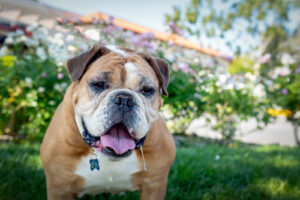
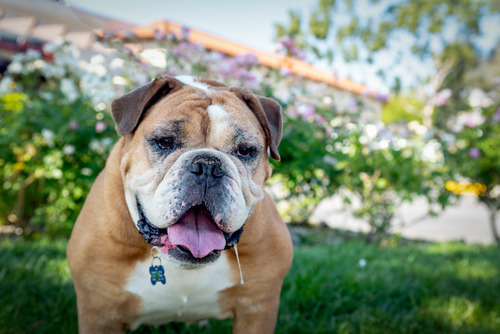
Short-nosed (brachycephalic) breeds such as Bulldogs, Pugs, Boxers, and Shih Tzus are prone to heavy panting because their shortened airways make it harder to breathe efficiently. These breeds are also more susceptible to heat stress. On the other hand, dogs with thick coats, like Huskies or Golden Retrievers, pant more in warm weather due to their insulating fur. Keeping these breeds cool and well-hydrated is key during Tennessee’s hot summer months.
Age and Weight
Older dogs may pant more often due to reduced stamina or age-related conditions like arthritis or heart disease. Overweight dogs also tend to pant excessively because excess fat traps heat and adds strain to the cardiovascular and respiratory systems. Helping your dog maintain a healthy weight and stay active can reduce the risk of heavy panting associated with obesity.
Environment
Memphis summers can be hot and humid, making panting more frequent. Dogs that spend time outdoors during warm months may need extra precautions, such as early morning or late evening walks and access to shade and cool surfaces. Even indoor dogs may pant more if the temperature inside rises. Maintaining a comfortable indoor climate helps prevent overheating.
What To Do if Your Dog Is Panting Heavily
While most panting is harmless, consistent or unexplained dog panting deserves a closer look. The best next step is to schedule an exam with your veterinarian, who can assess your dog’s breathing and perform any necessary diagnostic tests. Your veterinarian will likely ask about your dog’s recent activities, environment, diet, and medications. They may also evaluate heart and lung function to determine if an underlying condition is contributing to the panting. It’s always better to err on the side of caution. A quick veterinary visit can rule out serious issues and help you better understand your dog’s behavior.
Supporting Your Dog’s Comfort and Well-Being
Panting may seem simple, but it’s a window into how your dog feels physically and emotionally. When you understand what dog panting means, you can better respond to their needs and notice changes early. Regular wellness exams help your veterinarian track your dog’s breathing patterns, weight, and overall health over time. By staying proactive, you can help prevent many of the conditions that contribute to heavy or irregular panting. If you ever notice panting that seems excessive or out of the ordinary, McGehee Clinic for Animals can help. Call (901) 682-5684 or book your appointment online today to have your pet evaluated by a caring veterinary team right here in Memphis, TN.