
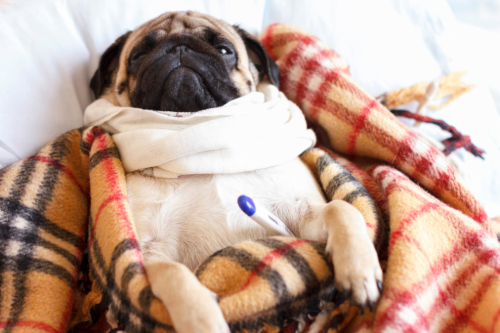
Yes, dogs can get colds, but not the same kind humans do. When your dog starts sneezing, coughing, or acting a little under the weather, it might be a sign of a mild respiratory infection caused by canine-specific viruses or bacteria. These “dog colds” are usually not serious but can make your pet feel uncomfortable for a few days. Because the symptoms of a cold can look similar to more concerning illnesses like kennel cough or canine influenza, it’s important to pay attention to your dog’s behavior and breathing.
If you’ve been wondering, “Can dogs get colds?”, many pet owners in Memphis ask this question each year. At McGehee Clinic for Animals, our veterinarians are glad to explain what dog colds really are, how they spread, and when it’s time to schedule an appointment so you can ensure your pet gets the high quality care they deserve.
What “Colds” Mean for Dogs
The term “cold” in dogs refers to upper respiratory infections that cause symptoms similar to the common cold in humans. These infections can result from several different pathogens, most of which are unique to dogs.
Common Causes of Canine Colds
While you can’t catch your dog’s cold (and they can’t catch yours), dogs can spread respiratory infections to one another through direct contact, shared toys, or airborne droplets. Common culprits include:
- Canine parainfluenza virus – One of the leading causes of mild respiratory illness in dogs.
- Canine adenovirus type 2 – Often associated with kennel cough and cold-like symptoms.
- Bordetella bronchiseptica – A bacterial infection frequently found in places where dogs gather, such as boarding facilities and dog parks.
- Canine influenza virus – A contagious respiratory virus that can cause coughing, nasal discharge, and fever.
Each of these agents affects dogs differently, which is why proper veterinary evaluation is key to identifying the cause.
Recognizing the Signs of a Dog Cold
Dogs experiencing colds may exhibit symptoms similar to what you’d expect in humans, though their severity and duration can vary.
Common Symptoms of Canine Colds
- Sneezing and nasal discharge
- Coughing or hacking
- Watery eyes
- Mild lethargy or decreased activity
- Slight loss of appetite
- Congested breathing
In most cases, these symptoms remain mild and resolve with time. However, if your dog’s symptoms persist for more than a few days or seem to worsen, it may indicate a more serious condition that requires veterinary attention.
When It Might Be More Than a Cold
Some illnesses mimic cold symptoms but can be much more severe. These include:
- Kennel Cough (Canine Infectious Tracheobronchitis): A harsh, honking cough that’s highly contagious among dogs.
- Canine Influenza: A more intense respiratory infection that can lead to fever, lethargy, and pneumonia.
- Pneumonia: A potentially serious lung infection often caused by secondary bacteria following a viral illness.
If your dog shows signs of difficulty breathing, extreme tiredness, or a persistent cough, schedule a visit with McGehee Clinic for Animals right away.
How Common Colds in Dogs Are Diagnosed
Because many respiratory illnesses share similar symptoms, veterinarians use a combination of exams and diagnostic tools to determine the cause.
Physical Exam
Your veterinarian will start by checking your dog’s nose, throat, lungs, and temperature. They’ll listen for congestion or wheezing and assess overall hydration and comfort.
Diagnostic Testing
Depending on your dog’s symptoms, your vet may recommend additional testing such as:
- Bloodwork – To identify infection or inflammation.
- X-rays – To rule out pneumonia or more serious conditions.
- PCR testing – To pinpoint specific viruses or bacteria causing the infection.
Accurate diagnosis allows for appropriate treatment and helps prevent potential complications, especially if your dog interacts with other pets.
Prevention of the Common Cold in Dogs
While it’s impossible to prevent all cases of respiratory illness, you can take practical steps to reduce your dog’s risk.
Vaccinations
Many core and non-core vaccines like those for bordetella, canine influenza, and parainfluenza help protect against respiratory infections. If your dog visits boarding facilities, groomers, or dog parks, staying current on these vaccines is especially important.
Clean Environments and Reduced Exposure
Regularly washing food bowls, bedding, and toys can limit bacterial buildup. If an outbreak of kennel cough or canine influenza occurs in your area, it’s wise to temporarily limit your dog’s interaction with other dogs until it passes.
Supporting General Health
Strong immune systems start with balanced nutrition, regular exercise, and routine wellness exams. Healthy dogs tend to recover from minor illnesses more easily and are less likely to experience complications.
How Dog Colds Differ from Human Colds
Many pet owners wonder if dogs and humans can share colds. The answer is no, human cold viruses are species-specific.
Why Dogs Can’t Catch Human Colds
Viruses that affect people, such as rhinoviruses, don’t infect dogs. Similarly, canine-specific viruses don’t pose a risk to humans. However, some bacterial infections like Bordetella bronchiseptica can very rarely affect immunocompromised individuals, so maintaining good hygiene (like washing hands after handling sick pets) is always a good idea.
Contagion Among Dogs
Dogs with colds can spread their illness to other dogs through sneezing, coughing, or direct contact. If your dog is showing signs of respiratory illness, it’s best to keep them away from other dogs until cleared by your veterinarian.
Recovery and Care for Dogs with Colds
Although most colds are mild, monitoring your dog closely helps ensure they recover smoothly.
What to Expect During Recovery
Mild respiratory infections may last several days to a week. During this time, dogs might be less energetic or eat less than usual. Make sure your pet has access to fresh water, a comfortable resting area, and a calm environment.
When It’s Time to Contact Your Vet
If your dog’s symptoms persist beyond a week, worsen, or include severe coughing, nasal bleeding, or labored breathing, call McGehee Clinic for Animals at (901) 682-5684. Your veterinarian will determine whether additional care or medication is needed to support recovery.
The Role of Routine Veterinary Care in Respiratory Health
Regular check-ups play a key role in detecting early signs of respiratory illness before they progress. During your dog’s wellness visits, your veterinarian can assess their lung and heart function, check for underlying issues, and ensure vaccines are up to date. At McGehee Clinic for Animals, we emphasize preventive care that supports long-term health and comfort. Our team offers personalized recommendations for each pet, from vaccination schedules to wellness monitoring, so your dog stays happy and active year-round.
Helping Your Dog Breathe Easy Year-Round
Even though the answer to “Can dogs get colds?” is yes, most cases are mild and manageable with proper attention. The best way to protect your pet is through preventive care, routine check-ups, and prompt evaluation if symptoms arise. Whether your dog’s sniffles are mild or more concerning, our experienced veterinary team in Memphis is equipped to help. If you notice your dog sneezing, coughing, or acting differently, call (901) 682-5684 or book an appointment online with McGehee Clinic for Animals. Our goal is to help your dog breathe easier and stay healthy through every season.