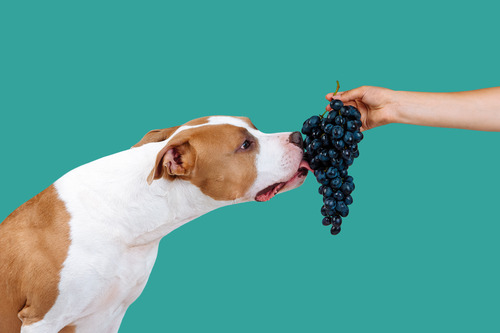
Many dog owners wonder, “Can dogs eat grapes?” The simple and most important answer is no, dogs should never eat grapes or raisins. Even small amounts can be highly toxic and lead to severe health complications. While the exact substance that causes grape toxicity in dogs remains unknown, veterinarians know that it can cause acute kidney failure, which can be life-threatening. Understanding why grapes are dangerous helps you protect your pet from accidental exposure and recognize when to contact your veterinarian.
At McGehee Clinic for Animals in Memphis, TN, our veterinary team is here to help educate pet parents about the foods that pose serious risks. Keep reading to learn more about what happens when dogs eat grapes, how symptoms develop, and what you can do to prevent grape poisoning.
Why Are Grapes Toxic to Dogs?
Veterinarians and researchers have studied grape toxicity for years, yet the exact reason grapes are harmful to dogs remains a mystery. What we do know is that grapes and raisins (whether seedless or not, organic or conventional) can cause severe kidney damage in dogs of any breed, size, or age.
The Mysterious Toxin
Unlike chocolate or xylitol, where the toxic compounds are clearly identified, grapes contain an unknown substance that affects certain dogs more severely than others. Some dogs may eat one grape and experience severe illness, while others may eat several without immediate signs, but this doesn’t mean it’s safe. Toxicity appears unpredictable and depends on each dog’s metabolism and sensitivity.
Fresh, Dried, and Processed Grapes Are All Dangerous
Raisins, currants, sultanas, and grape-containing foods like trail mix, granola bars, and baked goods all pose a risk. Even small amounts of these foods can trigger a toxic reaction. It’s also important to remember that cooked or peeled grapes are not safe either. The harmful compound remains no matter how the fruit is prepared.
What Happens When Dogs Eat Grapes?
When a dog eats grapes, the toxins interfere with kidney function, leading to a dangerous buildup of waste products in the bloodstream. This can happen quickly, sometimes within hours.
Early Effects on the Body
After ingestion, grapes can irritate the stomach and intestines, leading to vomiting and diarrhea. These are often the first signs something is wrong. The toxins then begin to affect the kidneys, which filter waste and regulate fluids. When kidney cells become damaged, they stop working properly, and the body can no longer maintain normal hydration and electrolyte balance.
Progression of Toxicity
If left untreated, grape ingestion can cause acute kidney failure. In severe cases, this may lead to life-threatening dehydration, abnormal heart rhythms, or seizures. Dogs that receive prompt veterinary treatment have a much better chance of recovery, but timing is critical.
Common Symptoms of Grape Toxicity in Dogs
Recognizing symptoms of grape toxicity early can make a significant difference in your dog’s outcome. Symptoms can begin within 6 to 12 hours after ingestion.
Early Symptoms
- Vomiting (sometimes with grape skins or seeds visible)
- Diarrhea
- Loss of appetite
- Fatigue or weakness
Advanced Symptoms
- Dehydration (dry gums, sunken eyes)
- Increased or decreased urination
- Abdominal pain
- Tremors or seizures
- Bad breath due to kidney dysfunction
If you notice any of these symptoms and suspect your dog may have eaten grapes, call your veterinarian at McGehee Clinic for Animals right away. Do not wait for signs to worsen. Immediate medical attention can make a significant difference in recovery.
Are All Dogs Affected the Same Way?
No, grape toxicity varies widely among dogs, which makes it even more dangerous. Some dogs can eat a single grape and experience severe illness, while others might seem fine after eating several. There’s no reliable way to predict how an individual dog will react, so veterinarians always treat grape ingestion as an emergency.
Breed and Size Considerations
Smaller dogs tend to experience toxic effects more quickly because of their body weight, but even large dogs are at risk. Toy breeds, puppies, and senior dogs are especially vulnerable due to their smaller size or weaker organ systems.
Genetic and Metabolic Factors
Researchers believe that genetic differences in how dogs process certain compounds may play a role. The lack of a clear pattern makes prevention and immediate veterinary care essential any time grape ingestion occurs.
Hidden Sources of Grapes and Raisins
It’s not always obvious when a food contains grapes or raisins. Many products that seem harmless can be dangerous for dogs.
Common Foods That Contain Grapes or Raisins
- Trail mix and granola
- Baked goods such as muffins, breads, or cookies
- Breakfast cereals
- Snack bars or protein bars
- Holiday dishes like fruitcake or stuffing
Always check ingredient labels before sharing food with your dog. Even a small bite of raisin bread or oatmeal cookie can lead to serious health problems.
The Treatment Process for Grape Poisoning in Dogs
When a dog eats grapes, veterinarians act quickly to prevent the toxins from being absorbed into the bloodstream and to protect the kidneys from damage.
Diagnostic Evaluation
Your veterinarian will ask questions about what and how much your dog ate, when it happened, and whether your pet has shown any symptoms. They may perform blood and urine tests to evaluate kidney function and hydration status.
Treatment Steps
- Inducing vomiting (if appropriate): This helps remove any remaining grapes from the stomach if the ingestion occurred recently.
- Administering activated charcoal: This may help bind toxins in the digestive tract.
- IV fluid therapy: Intensive fluid support helps flush toxins and maintain kidney function.
- Monitoring and lab testing: Ongoing tests help track progress and determine whether kidney damage has occurred.
Every situation is different, and only a veterinarian can determine the safest treatment approach based on your dog’s condition.
How Do I Prevent Grape Poisoning in My Dog?
The best way to protect your dog is to keep grapes, raisins, and grape-containing products completely out of reach.
Safe Storage Tips
- Store grapes and raisins in closed containers or high cabinets.
- Keep snack foods and baked goods off counters and tables.
- Educate family members and guests not to feed human snacks to dogs.
- Be mindful during holidays when foods with raisins are common.
Accidents happen quickly, especially with curious pets, so prevention is key to safety.
Safer Fruit Alternatives for Dogs
If you enjoy sharing fruit with your dog, there are many safe options that provide vitamins and hydration without the risk.
Dog-Friendly Fruits
- Blueberries
- Apples (without seeds)
- Watermelon (seedless)
- Strawberries
- Bananas
These fruits are healthy in moderation and can be used as occasional treats. Always introduce new foods gradually and in small quantities.
What to Do if Your Dog Eats Grapes
Even if your dog seems fine after eating grapes, you should contact your veterinarian immediately. Some dogs do not show symptoms until the kidneys have already been affected. Quick action gives your pet the best chance of a full recovery. If you’re in the Memphis area, the team at McGehee Clinic for Animals is ready to help. Call (901) 682-5684 or book an appointment online for prompt support and expert care.
Protecting Your Dog’s Health with Expert Veterinary Guidance
Grapes may seem harmless to humans, but they pose a serious danger to dogs. Because the toxic compound is unpredictable and potentially life-threatening, even a small amount of grapes or raisins should be treated as an emergency. By keeping these foods out of your pet’s reach and working closely with your veterinarian, you can help your dog stay safe and healthy for years to come. If you ever suspect your dog has eaten grapes or any toxic food, don’t wait. Call McGehee Clinic for Animals in Memphis at (901) 682-5684 or book an appointment online today. Our veterinary team is always here to help when your pet needs care most.